Desk Life in Winter: Why Neck and Back Pain Creeps In This Time of Year
Cold weather naturally affects how we move
By the time February rolls around, many people are feeling it in their bodies.
Not from anything dramatic — just the slow build-up of stiffness, tightness, and aches that seem to arrive quietly during winter.
We’re indoors more. We sit for longer. We move less without really noticing.
And before long, the neck starts to feel tight, the shoulders creep up towards the ears, and the lower back feels sore by the end of the day.
For people who spend a lot of time at a desk, winter can be a particularly challenging time for the body.
What Changes in Winter?
Cold weather naturally affects how we move.
Muscles tend to tighten more easily when it’s cold, and joints often feel less forgiving after long periods in one position.
Add layers of clothing, fewer walks, and darker evenings, and it’s easy to see how everyday movement drops off.
Working from home can make this worse.
Kitchen chairs, sofas, or dining tables aren’t designed for hours of desk work, yet many people use them daily throughout winter.
It doesn’t usually cause pain straight away — it builds gradually, which is why it often goes unnoticed until discomfort becomes part of the routine.

The Aches We Commonly See
During the winter months, it’s common for people to come in with problems that have been “there for a while”.
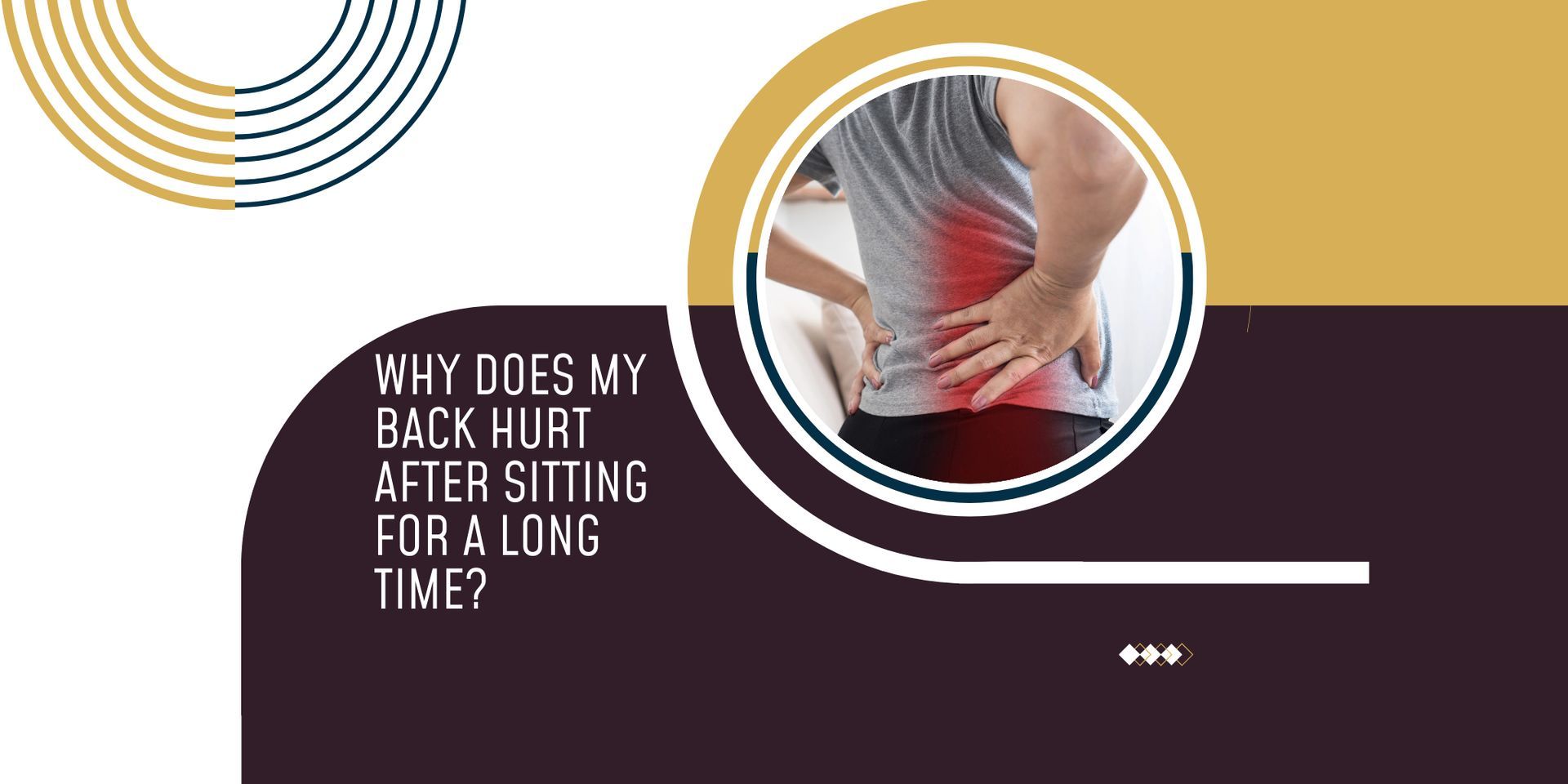
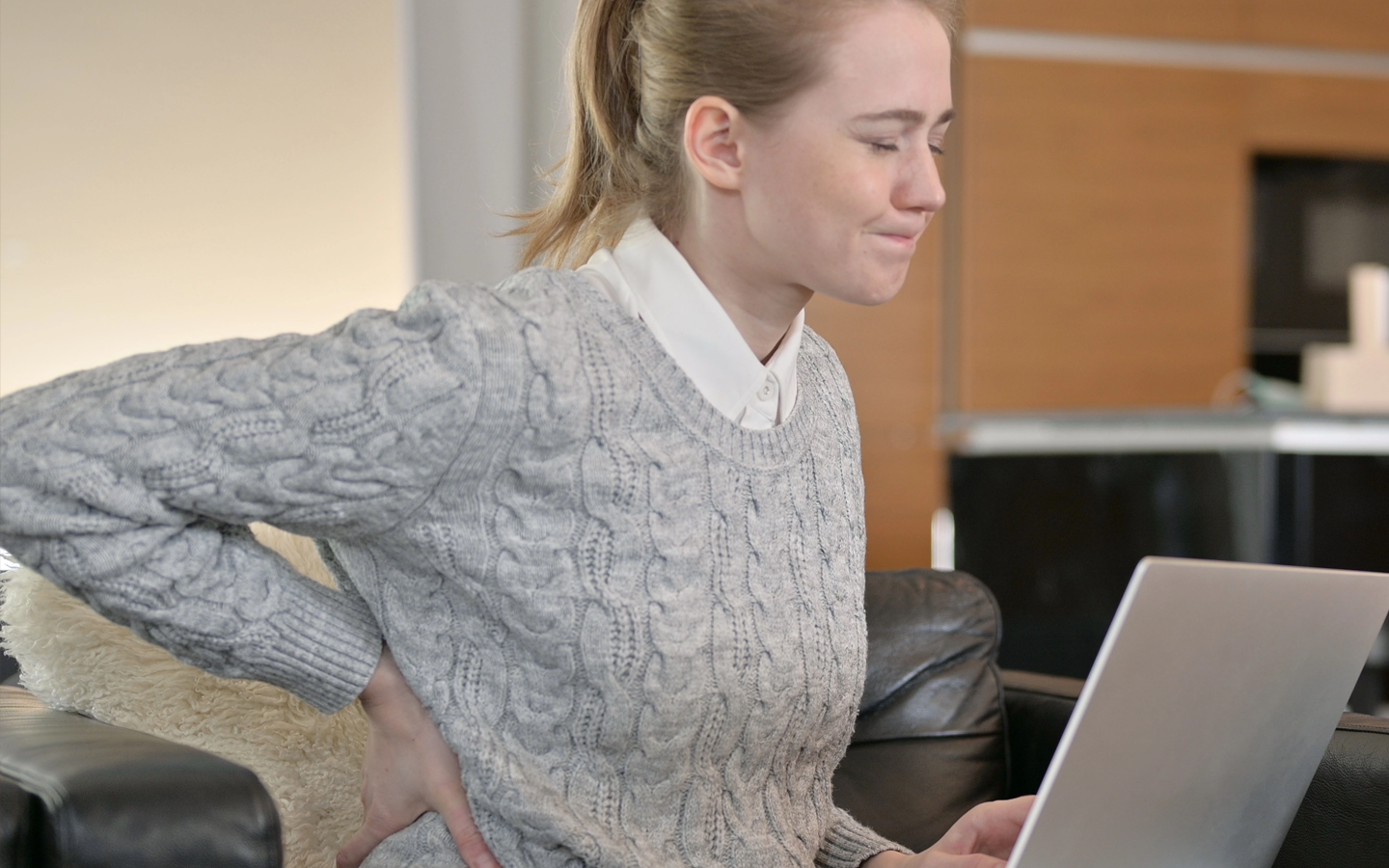
Neck stiffness that’s worse in the morning. A tight, heavy feeling across the shoulders. Lower back pain that flares up after sitting for long periods.
These issues are rarely caused by one single thing.
More often, they’re the result of posture, reduced movement, and the body doing its best to cope with repeated strain.
Small Changes That Help More Than You’d Think
You don’t need a perfect workstation to feel better, but awareness goes a long way.
Sitting slightly closer to your screen, resting your feet flat on the floor, or supporting your lower back with a cushion can reduce strain more than people expect.
Just as important is breaking up long periods of sitting.
Standing up to make a drink, stretching for a minute, or walking around the house can help reset the body and ease tension that builds up without you realising.
This is paragraph text. Click it or hit the Manage Text button to change the font, color, size, format, and more. To set up site-wide paragraph and title styles, go to Site Theme.
Movement Matters — Especially in Winter
When it’s cold and dark, movement tends to become more purposeful and less frequent. We move to get somewhere, then sit again.
Over time, joints stiffen and muscles lose some of their flexibility.
Gentle, regular movement keeps things working as they should.
You don’t need a full workout — even simple shoulder rolls, slow neck movements, or standing up regularly during the day can make a noticeable difference.
When It’s Time to Get Checked
If discomfort keeps returning, or if pain starts to interfere with sleep, work, or daily activities, it’s worth getting it looked at.
Ongoing aches are often the body’s way of asking for support rather than something to push through.
Osteopathy looks at how the body moves as a whole, identifying where tension and restriction may be contributing to pain.
Treatment aims to improve movement, reduce strain, and help the body cope better with the demands of everyday life — including long hours at a desk.

Looking After Yourself Through the Winter Months
Winter doesn’t need to mean accepting aches as normal.
A few small changes, regular movement, and addressing problems early can make a real difference to how your body feels day to day.
If neck or back pain has become part of your routine, Parkstone Osteopaths is happy to offer advice and treatment to help you stay comfortable and moving well throughout the colder months.