Feeling Sluggish Over Christmas? Here’s How to Stay Comfortable, Mobile & Energised This Festive Season
Over Christmas a little awareness and a few small changes go a long way
Christmas is a wonderful time of year — but let’s be honest, it can also leave many of us feeling a little heavier, stiffer, and more sluggish than usual.
Between long drives to see family, extra hours on the sofa, rich food, disrupted sleep routines, and a drop in movement, it’s no surprise the festive period can take a toll on your body.
At Parkstone Osteopaths, we often see people in early January who say exactly the same thing:
“I’ve barely moved all Christmas, my back feels tight, and I just don’t feel myself.”
The good news? Feeling sluggish isn’t unavoidable.
A few small, sensible shifts in how you move, rest, and take care of yourself can make a huge difference — keeping your body comfortable and your energy levels steady from Christmas Eve to New Year’s Day.
Here are some simple ways to look after your body over the festive break.
1. Keep Your Body Moving (Even in Small Ways)
You don’t need to squeeze in full workouts over Christmas, but gentle, regular movement keeps your joints mobile and improves circulation — which is key for reducing that heavy, sluggish feeling.
Try:
- A 10–15 minute walk after meals
- Light stretching before bed
- Standing and moving every hour, especially during long films
- Alternating between sitting on the sofa and sitting more upright
These tiny habits add up quickly.

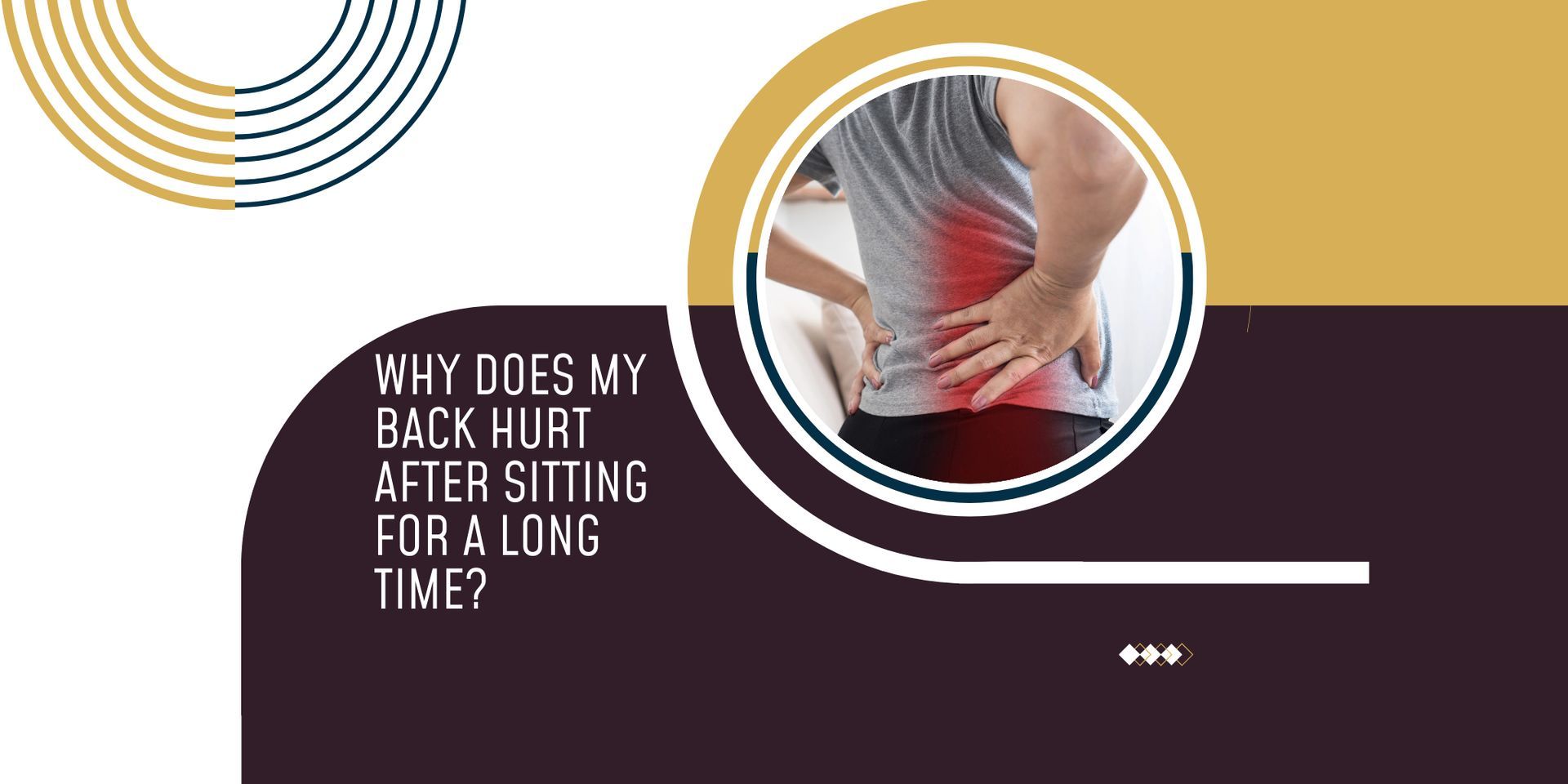
2. Be Kind to Your Back When Sitting for Long Periods
Festive films and long chats are great — but your spine won’t thank you for an entire day on a soft sofa.
To support your back:
- Place a cushion or rolled towel behind your lower back
- Keep your feet flat on the floor instead of tucked underneath you
- Swap the sofa for a firmer chair now and again
- Change position often
Your muscles will feel far happier for it.
3. Pace Yourself With Food & Drink
Rich meals, grazing all day, and a few extra drinks can all contribute to bloating, poor sleep, and sluggishness.
You don’t need to restrict yourself — simply pace yourself:
- Eat slowly so your body can signal fullness
- Drink water throughout the day
- Balance heavier foods with lighter options
- Avoid lying straight down after big meals
Your digestive system works best when you give it a little help.

4. Prioritise Restful Sleep
Late nights, disrupted routines, and heavier foods can all interfere with sleep quality — which affects your energy, mood, and even how your muscles recover.
A few simple habits can help:
- Keep your bedroom cool and dark
- Avoid scrolling in bed
- Try to go to sleep and wake up at similar times
- Reduce caffeine later in the day
Better sleep = less sluggishness.
5. Look After Your Body If You’re More Sedentary Than Usual
Many people find they move less in December, especially if work winds down.
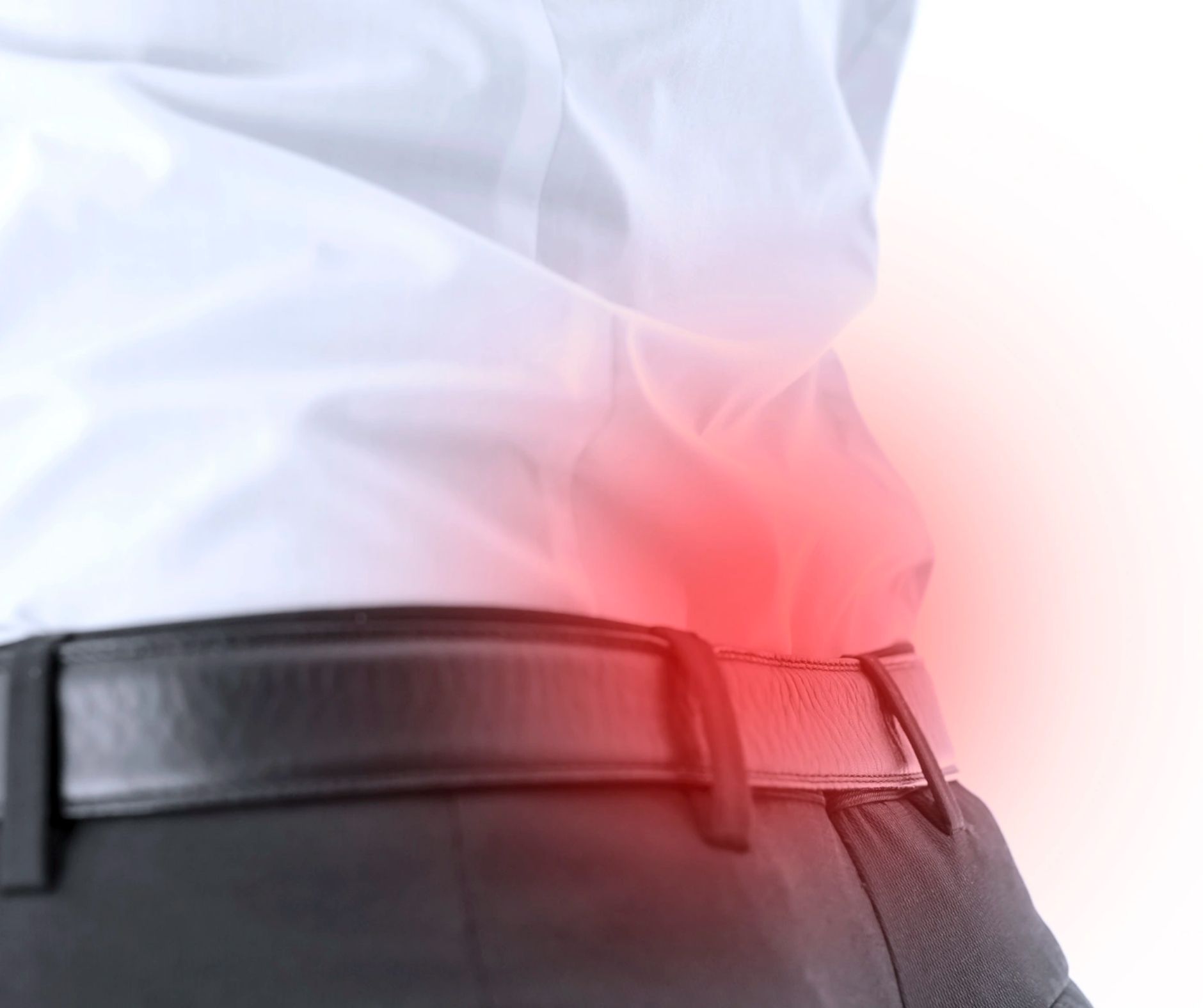
When you combine this with extra sitting, tension can build up in the neck, shoulders, and lower back.
If you notice stiffness creeping in, it’s your body’s way of asking for attention.
Gentle mobility exercises, stretching, and a short walk can quickly reset things.
6. Don’t Ignore Persistent Discomfort
If you head into the Christmas break with an existing ache — or you pick one up during the festivities — it’s much better to address it early.
Osteopathic treatment can help:
- Reduce stiffness and tension
- Improve mobility
- Support better posture
- Aid recovery from minor injuries
- Boost overall wellbeing
Many people find that a pre- or post-Christmas appointment helps them feel lighter, freer, and more energised heading into the New Year.
Final Thoughts
Christmas is meant to be enjoyed — and you absolutely can enjoy it fully without ending up feeling sluggish, uncomfortable, or run-down.
A little awareness and a few small changes go a long way.
If you’d like some personalised advice, hands-on treatment, or support heading into January, we’re here to help.
You can book an appointment with Parkstone Osteopaths at any time by clicking here.