Spring Gardening Is Back — Don’t Let Your Back Go With It
Done regularly and sensibly, gardening is fantastic for strength, mobility and mental wellbeing
The first warm weekend arrives and suddenly everyone remembers they have a garden.
Lawns need cutting. Beds need turning. Pots need lifting. Fences need fixing.
And after months of doing a lot less physically, the body is expected to cope with three hours of digging like nothing happened.
Every year around March and April, I see the same pattern in clinic.
People who feel perfectly fine on Friday… and can barely straighten up by Monday.
It’s not because gardening is “bad” for you. Quite the opposite. It’s brilliant exercise. The problem is how suddenly we tend to go at it.
Why Spring Gardening Causes So Many Back Flare-Ups
During winter, most of us naturally move less. We walk less. We bend less. We spend more time sitting — at desks, in cars, on sofas. Muscles tighten. Joints stiffen.
Strength dips slightly without us noticing.
Then spring appears and we go from 10% physical output to 90% in one weekend.
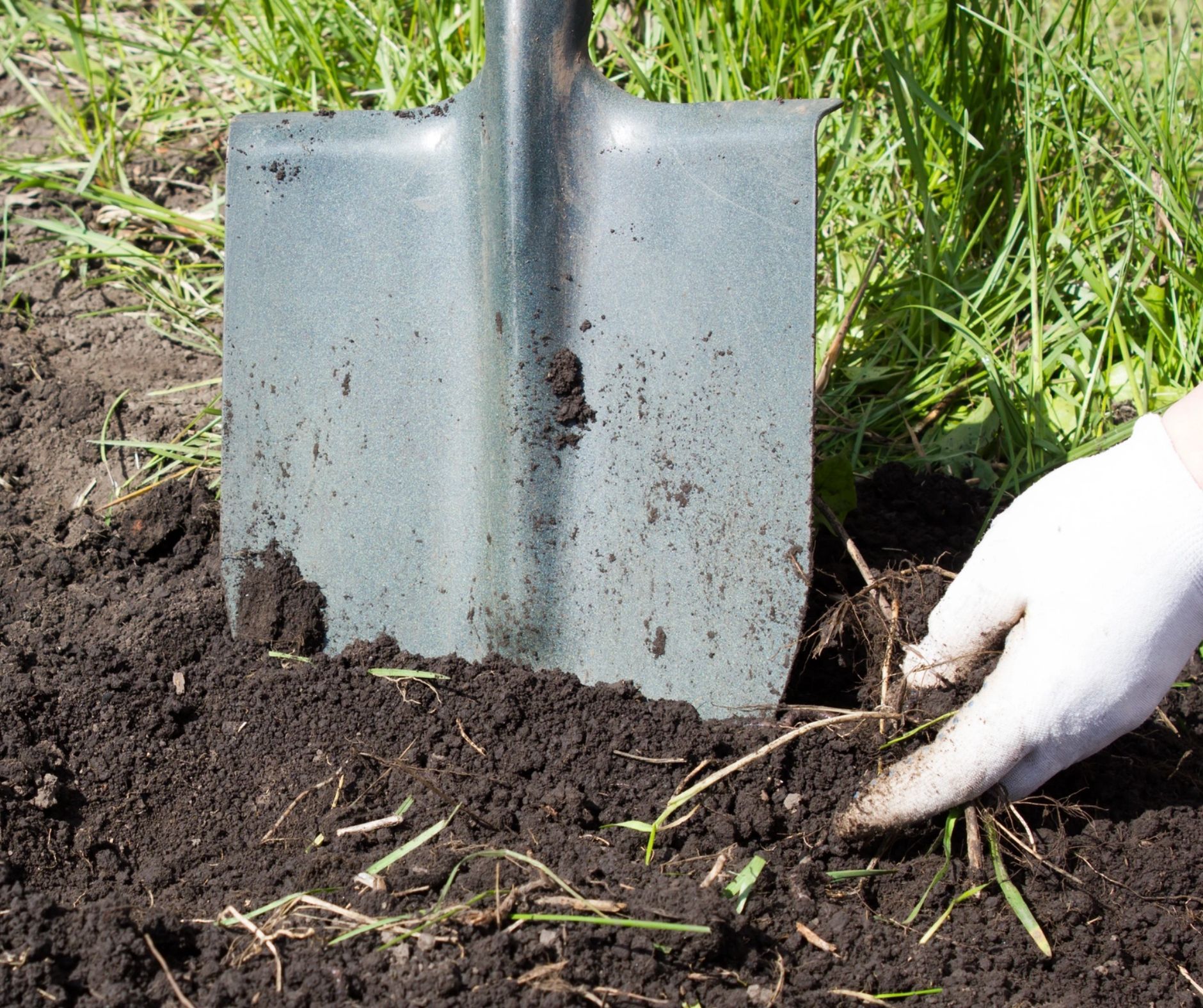
- Digging is repetitive and forceful.
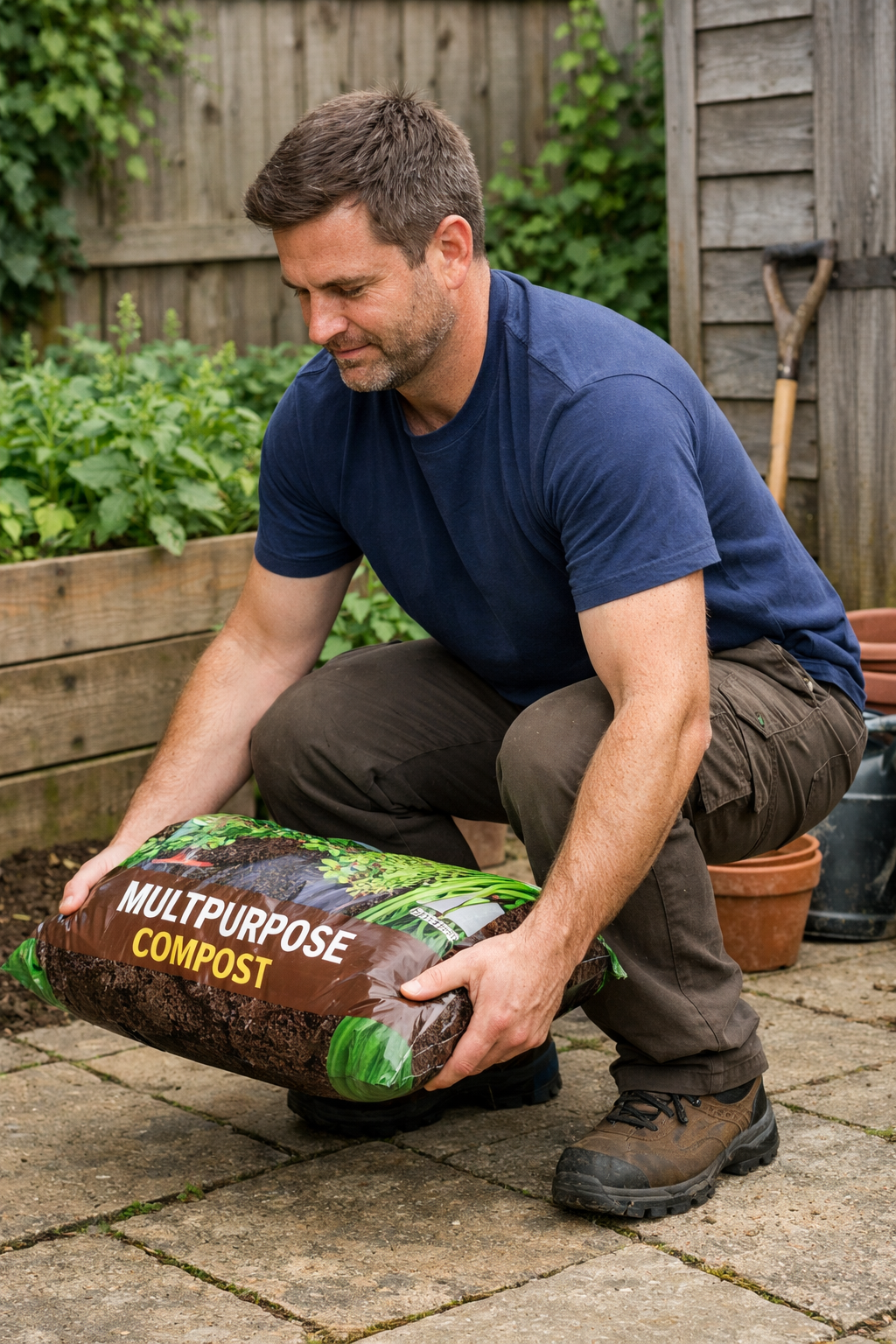
- Lifting compost bags loads the spine heavily.
- Weeding keeps you bent forward for long periods.
- Twisting while lifting puts pressure through the lower back.
None of these movements are dangerous on their own. But combine stiffness, reduced conditioning, and sudden volume… and something complains.
Usually the lower back. Sometimes the neck. Often both.
The Biggest Mistake I See
It’s not poor posture.
It’s not age.
It’s not “a weak back”.
It’s doing too much in one go.
Your spine tolerates load brilliantly when it’s built up gradually. What it doesn’t like is going from winter hibernation to “garden overhaul in a single afternoon”.
If you wouldn’t run 10 miles without training, don’t expect your back to handle four hours of digging without preparation.
Three Simple Ways to Protect Your Back
You don’t need a complicated warm-up routine. Just a few minutes can make a real difference.
1. Move Before You Dig
Before you start, spend five minutes gently moving your spine.
- Roll your shoulders.
- Slowly bend forward and back a few times.
- Twist side to side.
- Do a few gentle squats.
You’re not stretching aggressively. You’re telling your body, “We’re about to work.”
Cold, stiff tissue is far more likely to protest.
2. Break It Into Chunks
- Set a timer if you have to.
- Work for 20–30 minutes.
Stand up. Walk around. Change task.
Alternating between digging, pruning, sweeping, and lifting changes the load through your body and gives areas a chance to recover.
The worst flare-ups I see tend to come from staying in one bent position for far too long.
3. Respect Heavy Lifting
Compost bags are deceptive. So are large pots.
Get close to the load.
Bend your knees.
Avoid twisting while holding weight.
If something feels awkward — it probably is.
And there’s no prize for lifting something alone if help is available.
A Little Soreness Is Normal — Sharp Pain Isn’t
After the first big gardening weekend, it’s completely normal to feel mild stiffness or muscle ache. That’s just your body adapting.
What isn’t normal:
- Pain that shoots into your leg
- Sharp catching pain when you move
- Pain that stops you sleeping
- Symptoms that worsen over a few days rather than settle
That’s usually the point people call me.
The earlier we assess and calm things down, the quicker you’re back outside enjoying the garden instead of looking at it through the window.
Gardening Should Help Your Body — Not Set It Back
Done regularly and sensibly, gardening is fantastic for strength, mobility and mental wellbeing. It keeps you active, outdoors, and moving in varied ways.
- The key is gradual build-up, not sudden intensity.
- Start smaller than you think you need to.
Let your body adapt. - Increase over a few weekends rather than one heroic effort.
- Your garden doesn’t need to be finished in a day.
But your back might take weeks to recover if you try.
If you’re planning a big spring clear-out and you’ve had back trouble before, it’s worth getting advice beforehand. A short assessment and a few personalised exercises can make all the difference.
Enjoy your gardening.
Just don’t let enthusiasm outpace preparation. Your back will thank you for it.