Walking More This May? How to Keep Your Back, Hips and Knees Comfortable
Walking is one of the simplest ways to keep moving
May is a lovely time to get outside a little more. The evenings are lighter, the weather is kinder, and suddenly a short stroll round the block can turn into a longer walk through the park, along the coast, or around the local neighbourhood.
Walking is one of the simplest ways to keep moving. You do not need special equipment, a gym membership, or a complicated routine. Just a comfortable pair of shoes and somewhere to go.
But if you have recently started walking more, you may have noticed a few aches creeping in. A stiff lower back. A grumbling hip. Knees that complain on hills or stairs. Feet that feel more tired than usual.
The good news is that this does not always mean you need to stop walking. Often, it simply means your body is adapting to doing more. The key is knowing when to ease off, when to adjust things, and when to get some professional help.
Why walking is so good for you
Walking may seem basic, but it does a lot for the body.
It helps keep the joints moving, encourages circulation, supports muscle strength, and can be brilliant for general wellbeing.
It is also a good way to gently build fitness without putting the body under the same level of strain as running or high-impact exercise.
For many people, walking also helps with stiffness. If you have been sitting for long periods, especially at a desk, a steady walk can help loosen the lower back, hips and legs.
That said, walking still asks quite a lot from the body. Your feet, ankles, knees, hips, pelvis and spine all have to work together. If one area is stiff, weak or irritated, another area may end up doing more than its fair share.
That is often when discomfort starts to appear.
Why aches can appear when you start walking more
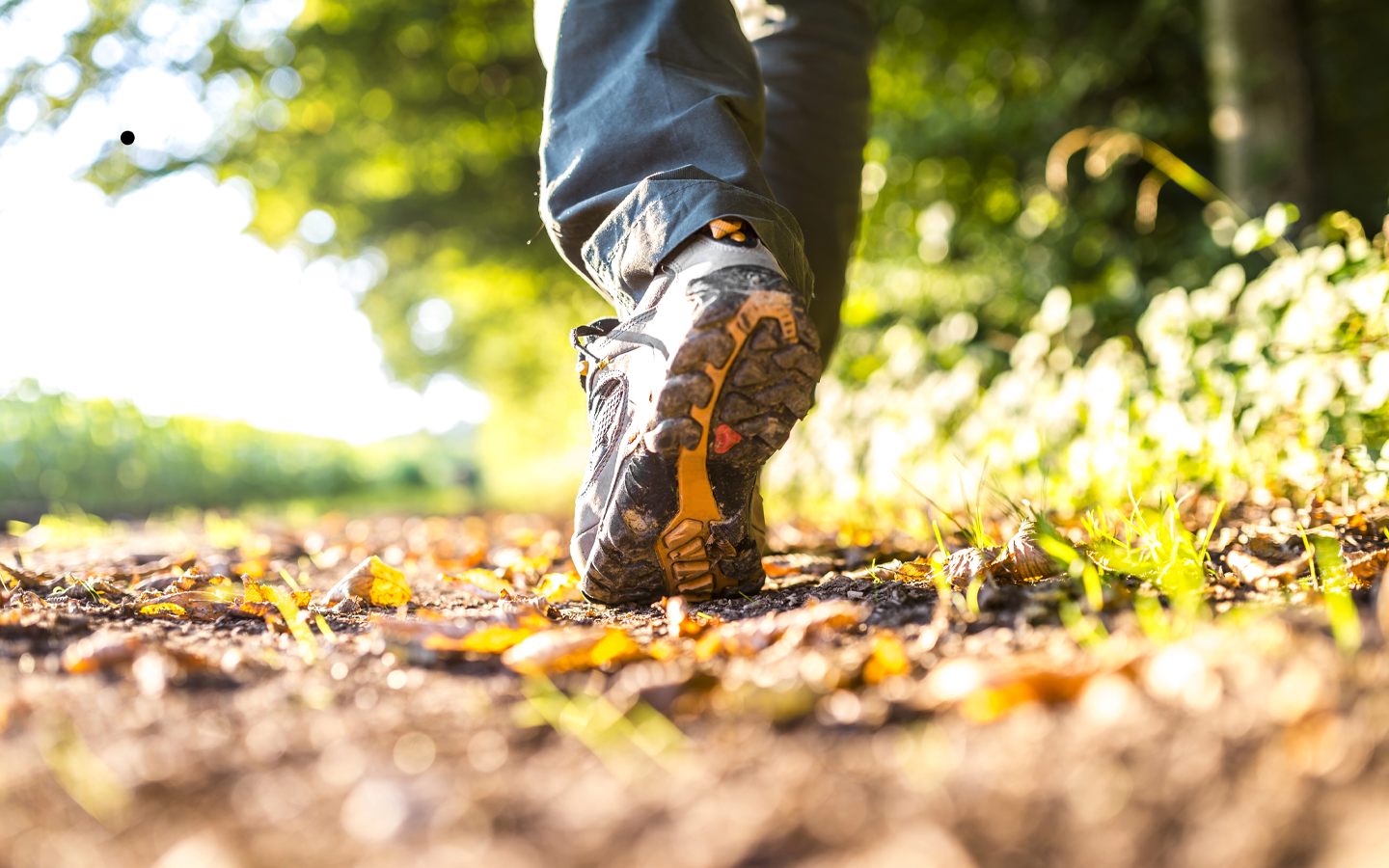
A common mistake people make is increasing their walking too quickly.
You might go from very little walking during the colder months to suddenly trying to hit 10,000 steps a day. Or perhaps you take advantage of the May bank holidays and spend a whole afternoon on your feet.
Your body may not be injured, but it may not be ready for that jump in activity.
Some of the most common reasons people develop aches when walking more include:
- doing too much too soon
- wearing unsupportive footwear
- walking on uneven ground
- tight hips, calves or hamstrings
- poor balance between the muscles around the hips and pelvis
- old injuries that have not fully settled
- spending too much time sitting, then suddenly asking the body to move more
This is why the discomfort is not always where the real issue starts.
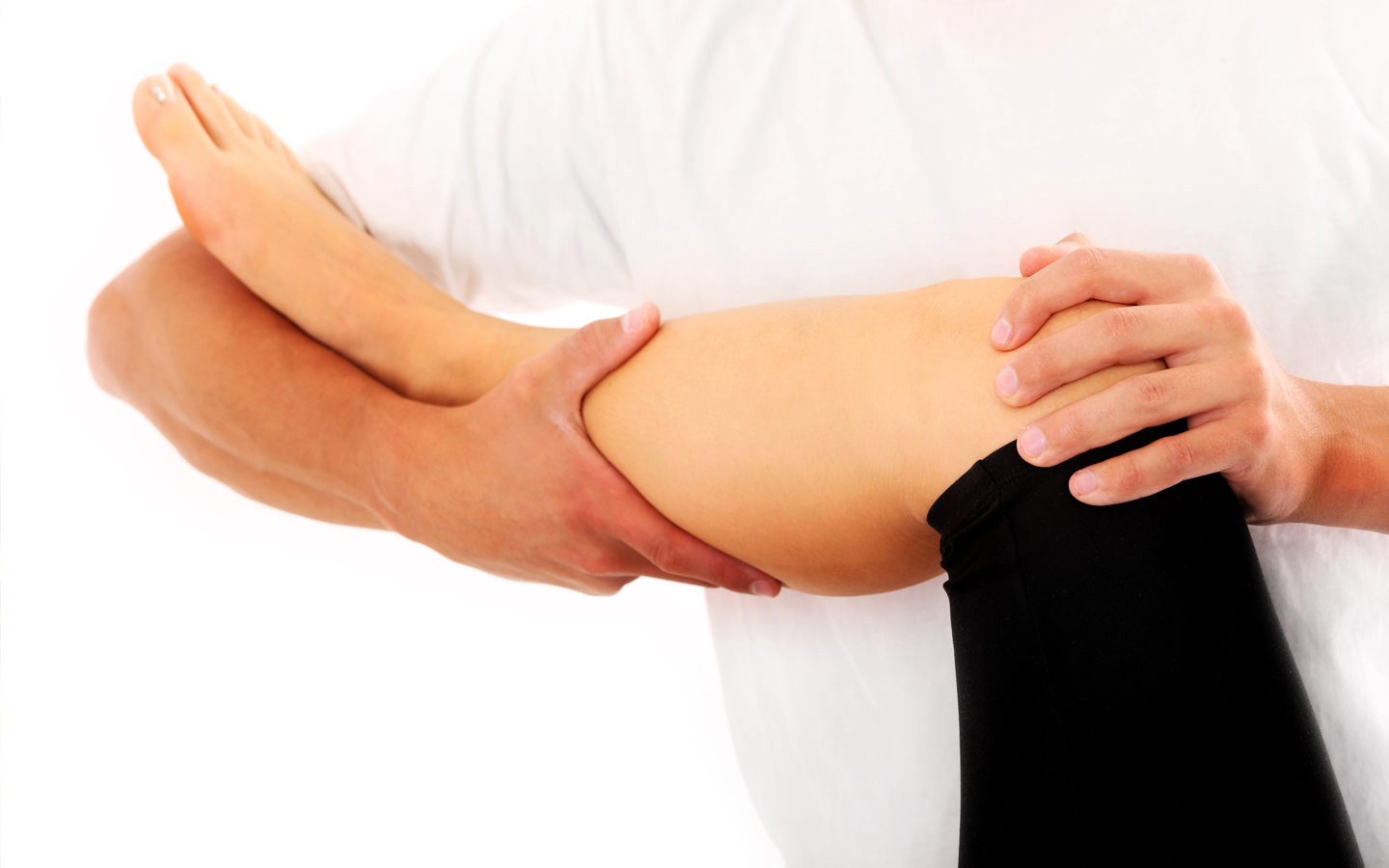
For example, knee pain may be linked to hip control. Lower back tension may be influenced by stiff hips. Foot discomfort can affect how the knees and back move.
The body is wonderfully connected, which is helpful most of the time, but slightly annoying when it decides to complain in several places at once.
Common walking-related aches
Lower back discomfort
Some people find their lower back starts to ache during or after a walk. This can happen if the hips are stiff, the back muscles are working harder than usual, or your posture changes as you get tired.
If the ache settles quickly after rest, it may simply be a sign that your body is adjusting. If it keeps returning, gets sharper, or starts affecting daily life, it is worth having it checked.
Hip tightness or pain
Your hips do a lot of work when you walk. They help you stride, stabilise your pelvis and keep your movement smooth.
If you have been sitting more than usual, the front of the hips can become tight. When you then walk further or faster, you may feel pulling, aching or stiffness around the hip, groin, buttock or outer thigh.
Knee pain
Knees often make themselves known when walking downhill, climbing stairs, or increasing distance. Sometimes the knee itself is irritated. Other times, the problem may be linked to how the hip, ankle or foot is moving.
It is especially worth paying attention if the knee swells, locks, gives way, or becomes painful enough to change the way you walk.
Foot and ankle niggles
Your feet are your contact point with the ground, so they take plenty of load. A sudden increase in walking can sometimes lead to aching arches, heel pain, ankle stiffness or sore calves.
Footwear can play a big part here. Shoes that are too worn, too flat, too tight or not supportive enough can quickly make a pleasant walking habit feel less enjoyable.
Simple ways to walk more comfortably
You do not need to overcomplicate things. A few small changes can make a big difference.
Build up gradually
If you are trying to walk more this May, increase your distance or time slowly. It is better to walk a manageable amount regularly than to do one huge walk and spend the next three days regretting it.
Start with what feels comfortable, then build from there.
Wear shoes that suit the walk
A short pavement walk and a muddy woodland walk ask different things from your feet. Choose footwear that gives you enough support and grip for where you are going.
If your trainers are old, unevenly worn or no longer comfortable, they may not be helping.
Warm up gently
You do not need a full gym-style warm-up before a walk, but give your body a few minutes to get going. Start slower, let your stride loosen naturally, and avoid charging off at full pace from the front door.
Pay attention to your stride
Try not to overstride. Taking very long steps can increase strain through the knees, hips and lower back. A slightly shorter, steady stride is often more comfortable, especially if you are walking uphill or downhill.
Mix up your routes
Walking the same route every day can be fine, but variety helps.
Different surfaces and gradients challenge the body in different ways. Just be sensible with uneven ground if you are already sore or unsteady.
Do not ignore persistent pain
A small ache that settles quickly is one thing. Pain that keeps returning, worsens, or changes how you move is different.
Pushing through discomfort is not always the brave option. Sometimes it just gives the problem a louder microphone.
When should you seek help?
You may want to book an appointment if:
- pain lasts more than a few days
- discomfort keeps returning when you walk
- you feel stiff or restricted on one side
- your walking pattern has changed
- pain is affecting sleep, work or day-to-day activities
- you are avoiding walks because of discomfort
- you have pins and needles, numbness, weakness or symptoms travelling down the leg
An osteopath can assess how your body is moving, look at possible contributing factors, and help you understand what may be driving the discomfort.
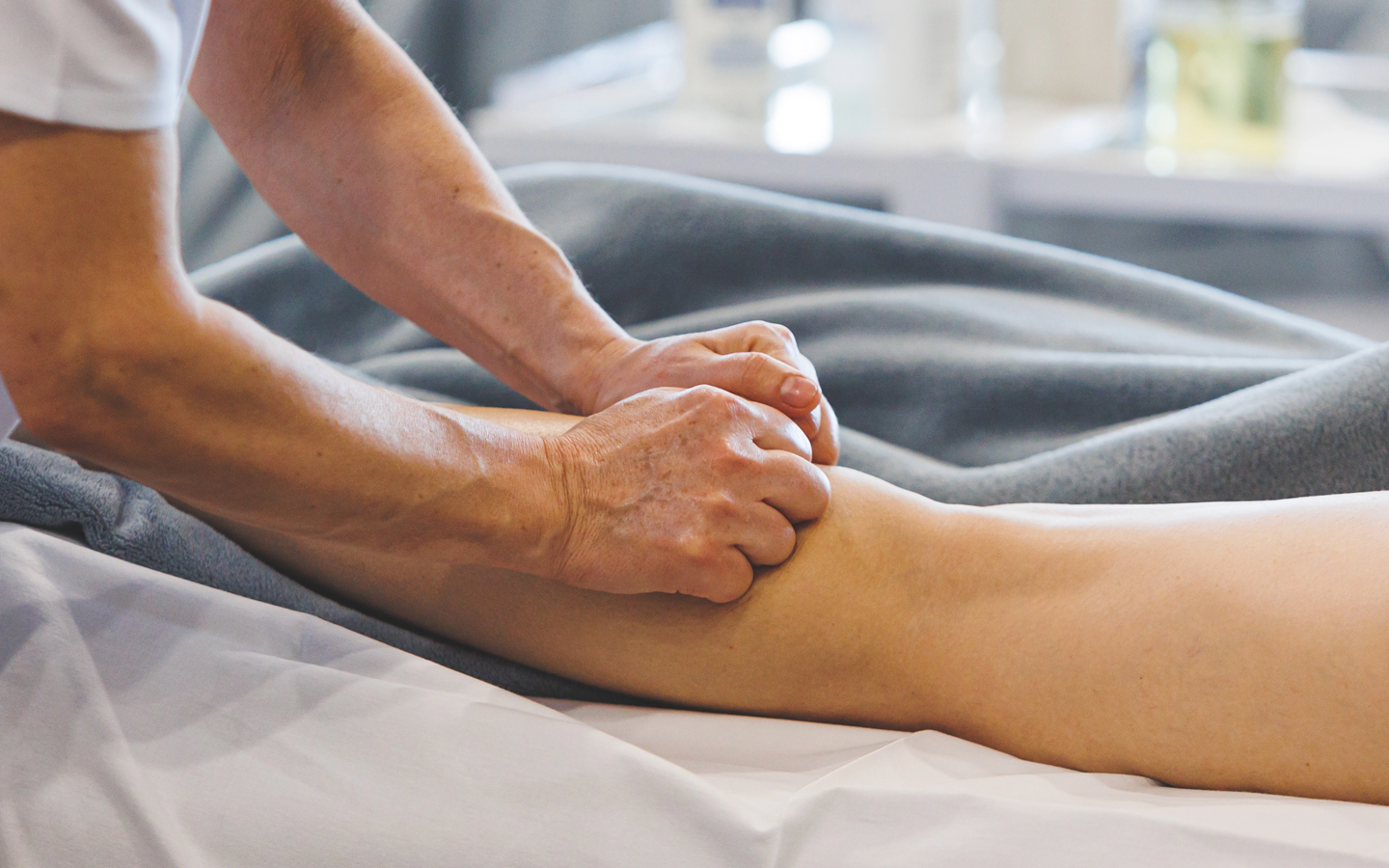
Treatment may include hands-on techniques, movement advice, simple exercises, and practical guidance on how to return to walking comfortably.
How osteopathy may help
At Parkstone Osteopaths, we often see people who want to stay active but feel held back by aches and stiffness.
The aim is not simply to look at the painful area in isolation. We look at how your spine, pelvis, hips, knees, ankles and feet are working together.
This helps us understand whether one area is under strain because another area is not moving as well as it could.
Depending on your situation, osteopathic treatment may help improve mobility, ease muscle tension, support better movement and give you clearer guidance on what to do next.
Sometimes small changes make a big difference.
A different walking pace, a few tailored exercises, better recovery habits, or addressing a stiff joint can help you enjoy walking again without feeling like your body is working against you.
Keep walking, but listen to your body
Walking is one of the best habits you can build, especially as the weather improves. It is gentle, accessible and good for both body and mind.
But discomfort is worth listening to.
If you are walking more this May and your back, hips or knees are starting to complain, do not wait until a niggle becomes something that stops you altogether.
A little support early on can help you keep moving comfortably and confidently.
Need help with walking-related aches?
If back pain, hip pain, knee discomfort or general stiffness is making walking less enjoyable, Parkstone Osteopaths can help assess what is going on and advise you on the best next steps.
Book an appointment with Parkstone Osteopaths and take the first step towards moving more comfortably this May.