10 Things People Believe About Osteopathy That Simply Aren't True
Misconceptions about osteopathy often stop people from exploring treatment
If you've never visited an osteopath before, it's natural to have questions. Unfortunately, there are also plenty of misconceptions about what osteopathy is, how it works, and who it can help.
Many people spend months-or even years-living with pain or discomfort because they assume osteopathy isn't right for them.
Let's look at some of the most common myths and separate fact from fiction.
1. Osteopathy Is Only For Back Pain
While osteopaths regularly help people with back pain, that's only a small part of what they do.
Osteopathy may help with a wide range of musculoskeletal issues, including:
- Neck pain
- Shoulder pain
- Joint discomfort
- Sports injuries
- Muscle strains
- Postural problems
- Tension-related headaches
- Arthritic aches and pains
The body works as an interconnected system, which means pain in one area can often be influenced by issues elsewhere.

2. Osteopathy Is Just A Fancy Massage
Massage can sometimes form part of an osteopathic treatment plan, but osteopathy is much more than massage alone.
Osteopaths assess how your muscles, joints, ligaments and connective tissues work together.
Treatment may include a combination of hands-on techniques, movement advice, rehabilitation exercises and lifestyle guidance designed to improve function and reduce discomfort.
The goal is not simply to help you feel better for a few hours-it’s to help address the underlying factors contributing to your symptoms.
3. Every Treatment Involves Cracking Joints
This is one of the most common concerns we hear.
Many people assume osteopathic treatment involves forceful manipulation and lots of cracking sounds. In reality, osteopaths use a wide variety of techniques, and treatment is always tailored to the individual.
Some patients may benefit from joint manipulation, while others may receive gentle stretching, soft tissue work, mobilisation techniques or exercise-based rehabilitation.
There is no "one-size-fits-all" approach.
4. Osteopathy Is Painful
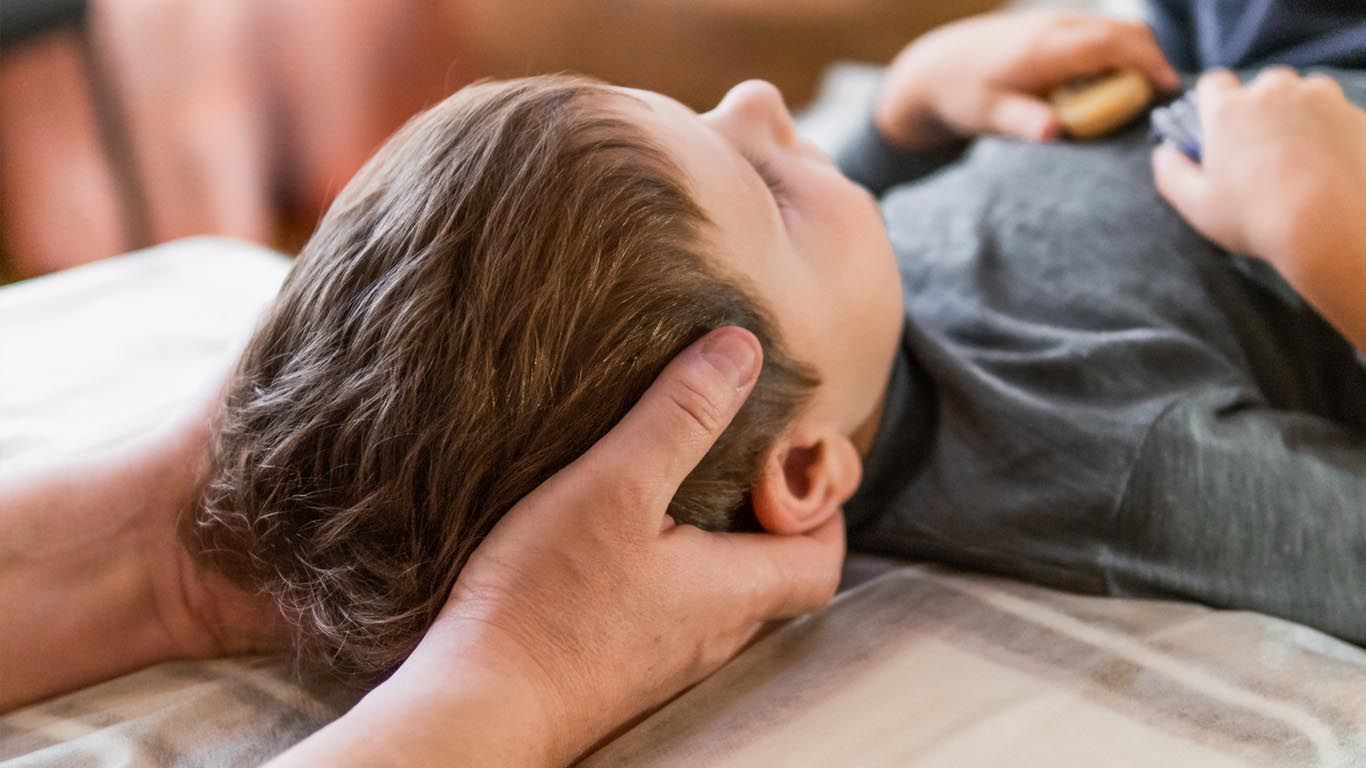
Most patients are pleasantly surprised by how comfortable treatment feels.
Depending on your condition, some techniques may create mild temporary discomfort, particularly if tissues are already sensitive or inflamed.
However, treatment should never feel unnecessarily aggressive.
Your osteopath will work with you to ensure treatment remains appropriate and comfortable throughout your appointment.
5. You Need A GP Referral Before Seeing An Osteopath
You can book directly with an osteopath without seeing your GP first.
Many patients choose osteopathy as their first point of contact for musculoskeletal pain and mobility issues.
If your osteopath identifies signs that require further medical investigation, they will advise you accordingly and may recommend speaking with your GP or another healthcare professional.
6. Osteopathy Is Only For Younger Or Active People
Osteopathy can be suitable for people of all ages.
We regularly see patients ranging from young adults and busy professionals to retirees looking to remain active and independent.
Many older adults seek osteopathic treatment to help maintain mobility, improve movement and manage everyday aches and pains that can affect quality of life.
7. If My Scan Was Normal, Nothing Can Be Done
Scans can be extremely useful, but they do not always explain why someone is experiencing pain or stiffness.
Many people experience symptoms despite having scans that show little or no significant abnormality.
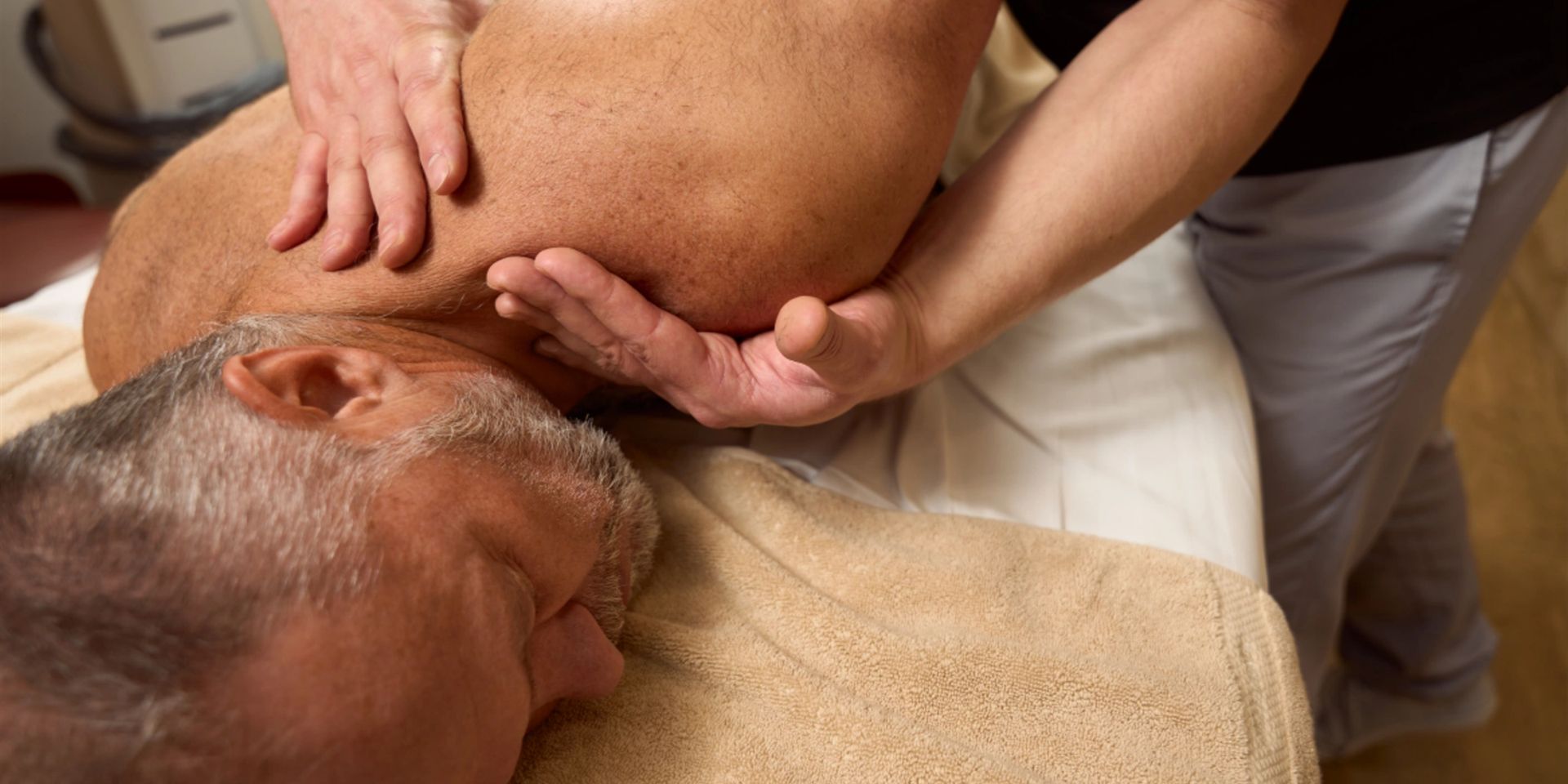
An osteopathic assessment focuses not only on imaging results but also on how your body moves, functions and responds during daily activities. Understanding these factors can often provide valuable insight into ongoing symptoms.
8. Osteopathy Is Only About Treating Symptoms
Good osteopathic care aims to understand why a problem developed in the first place.
Poor posture, repetitive movements, reduced mobility, muscle imbalances, workplace habits and previous injuries can all contribute to recurring issues.
By addressing contributing factors as well as current symptoms, osteopathy aims to support longer-term improvement.

9. I Should Wait And See If It Gets Better On Its Own
Sometimes minor aches and pains do settle naturally.
However, many conditions become more difficult to manage when left untreated for extended periods.
Compensation patterns can develop, mobility may decrease, and everyday activities can become more uncomfortable.
Seeking advice early may help prevent a small issue from becoming a larger problem.
10. Once You've Had One Treatment, You'll Need To Keep Coming Forever
This is another common misconception.
The aim of osteopathy is not to create dependency. Most patients want to understand their problem, reduce discomfort and return to doing the things they enjoy.
Treatment recommendations are always based on your individual circumstances, goals and progress.
Some people only require a small number of appointments, while others choose occasional maintenance visits to help support mobility and wellbeing.
The Bottom Line
Misconceptions about osteopathy often stop people from exploring treatment that could potentially help them move more comfortably and enjoy a better quality of life.
If you've been putting off seeking advice because of something you've heard, it may be worth speaking to an osteopath and getting the facts.
At Parkstone Osteopaths, we take the time to understand your concerns, explain your treatment options clearly, and create a personalised approach based on your individual needs.
If you're experiencing pain, stiffness or restricted movement and would like professional advice, we'd be happy to help.