Can Osteopathy Help With Plantar Fasciitis?
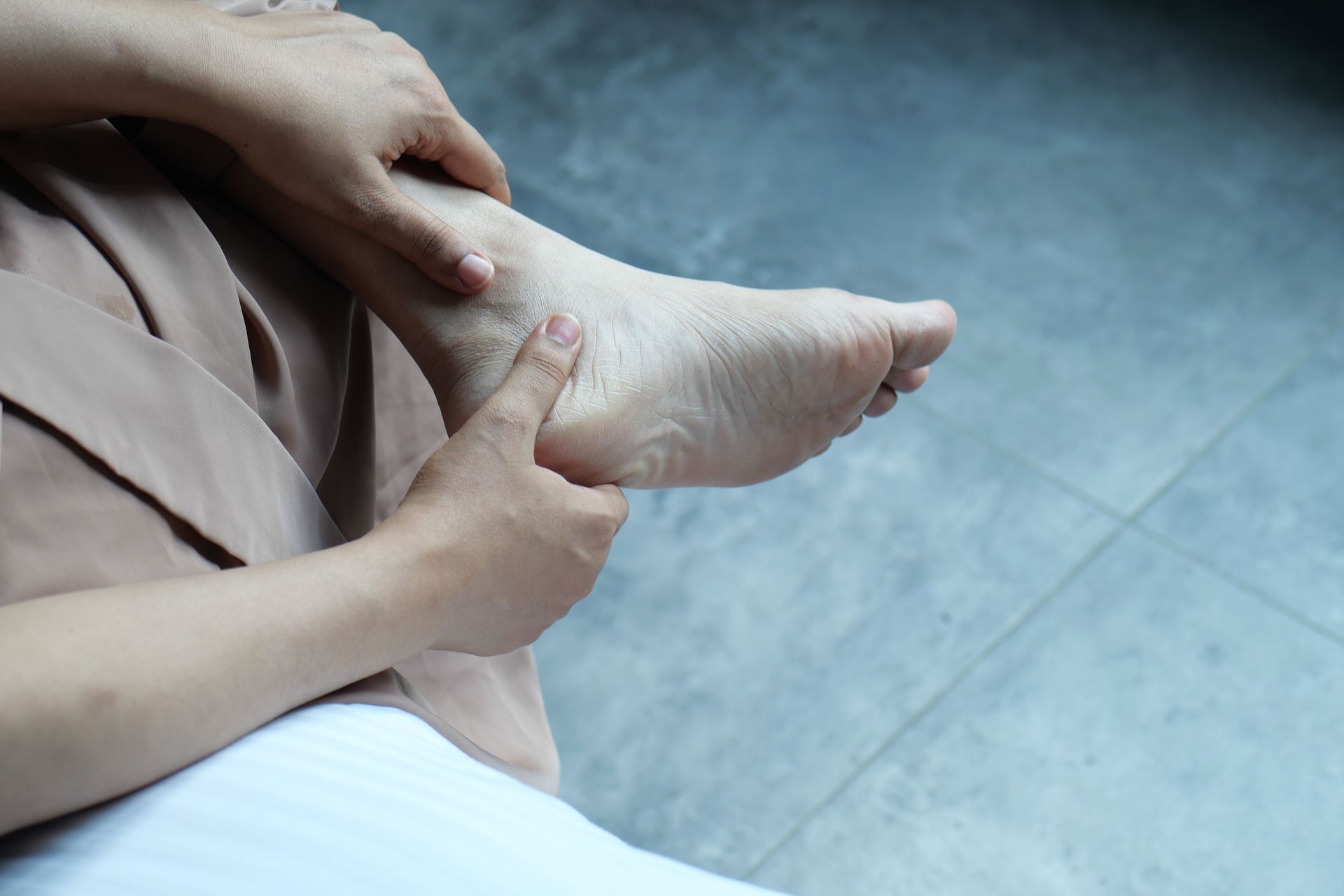
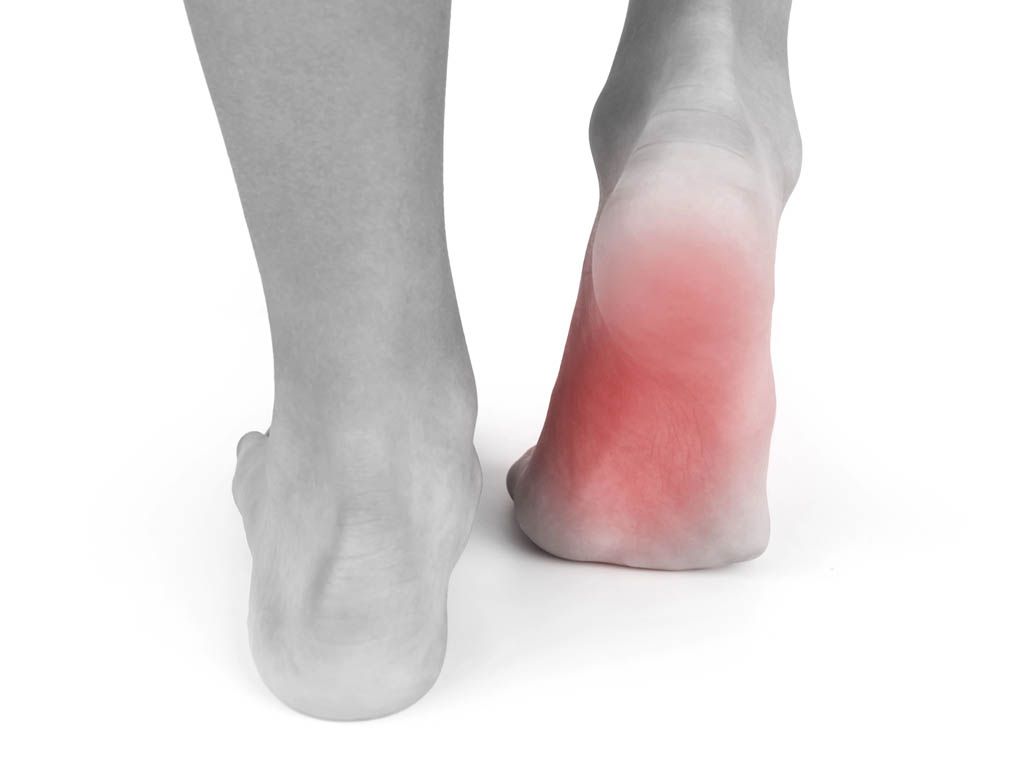
Plantar fasciitis: sharp, uncomfortable pain under the heel or arch of the foot
Plantar fasciitis can be a real nuisance. That sharp, uncomfortable pain under the heel or arch of the foot can make the first few steps in the morning feel especially unpleasant.
For some people, it eases once they get moving. For others, it can return after standing, walking, running or spending a long day on their feet.
So, can osteopathy help with plantar fasciitis?
The honest answer is: osteopathy may help by looking at how your foot, ankle, leg and wider body mechanics are affecting the strain going through the plantar fascia.
It is not about promising an instant cure, but about assessing what may be contributing to the problem and helping you manage it more effectively.
What is plantar fasciitis?
The plantar fascia is a strong band of tissue that runs along the bottom of your foot, from the heel towards the toes. It helps support the arch of the foot and plays an important role when walking, running and standing.
Plantar fasciitis usually refers to irritation or overload of this tissue. It is commonly felt as pain under the heel, although some people also feel discomfort through the arch of the foot.
Common signs can include:
- Pain under the heel or sole of the foot
- Discomfort that is worse first thing in the morning
- Pain after rest, especially when getting up again
- Symptoms that flare after long periods of standing or walking
- Tightness in the calf, Achilles tendon or sole of the foot
It can affect runners and active people, but it is not limited to sport. It may also occur in people who stand for long hours, wear unsupportive footwear, suddenly increase activity, or have changes in foot mechanics.
Why does plantar fasciitis happen?
There is rarely one single cause. Plantar fasciitis often develops when the tissues under the foot are repeatedly placed under more load than they can comfortably manage.
Possible contributing factors include:
- Tight calf muscles
- Reduced ankle mobility
- Poor footwear support
- Sudden increase in walking, running or exercise
- Long periods standing on hard surfaces
- Changes in foot arch or foot mechanics
- Weakness or imbalance around the foot, ankle, knee or hip
- Previous injury affecting how you walk
This is why simply treating the painful spot is not always enough. The heel may be where you feel the pain, but the reason it keeps returning may involve the way the whole lower limb is working.
How may osteopathy help with plantar fasciitis?
At Parkstone Osteopaths in Poole, treatment would usually begin with an assessment. This helps identify whether the pain is likely to be plantar fasciitis and whether other factors may be involved.
An osteopath may look at:
- How your foot and ankle move
- Calf tightness and Achilles tendon tension
- Hip, knee and pelvis mechanics
- Your walking pattern
- Your footwear and activity levels
- Any previous injuries or recurring strains
- How your symptoms behave during the day
Treatment may then include hands-on techniques aimed at improving mobility, easing muscle tension and reducing unnecessary strain through the foot and lower leg.
This may involve work around the foot, ankle, calf, knee, hip or lower back depending on what is found during the assessment.
It is not just about the heel
One of the useful things about osteopathy is that it does not look at the painful area in isolation.
For example, if your calf muscles are tight, your ankle may not move as freely. If your ankle movement is restricted, your foot may have to compensate. If your hip or pelvis mechanics are affecting how you walk, extra stress may travel down into the foot.
That does not mean every case is complicated. Sometimes the main issue is simply overload, footwear or a sudden activity change. But when plantar fasciitis lingers, it can be worth looking beyond the heel itself.
Exercises and home advice matter
Hands-on treatment can be useful, but plantar fasciitis often needs good home management too. Stretching, strengthening and load management are usually important parts of recovery.
You may be advised on:
- Gentle calf stretching
- Plantar fascia stretching
- Foot strengthening exercises
- Activity modification
- Footwear choices
- Use of insoles or heel support where appropriate
- How to return gradually to walking, running or sport
- Ways to reduce strain during work or daily activity
The aim is to help the irritated tissue settle while also improving its ability to cope with everyday load.
Can Kinesio taping or orthotics help?
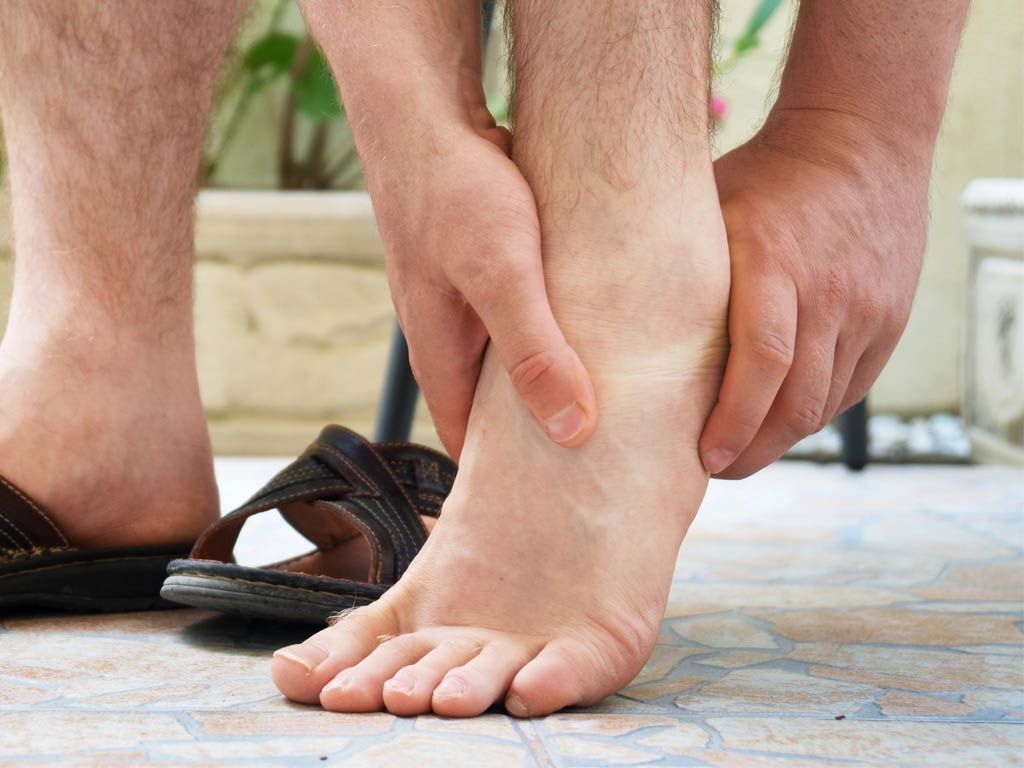
For some people, taping may provide short-term support and comfort. Parkstone Osteopaths also offers Kinesio taping, which may be considered depending on your symptoms and assessment findings.
Orthotics or insoles may also be helpful in certain cases, especially where foot mechanics or poor support are contributing to the problem. Andy Caughey at Parkstone Osteopaths is experienced in orthotics prescription taking and fitting, so this can be discussed if it appears relevant.
Not everyone needs orthotics, and they should not be treated as a magic fix. They are one possible tool, alongside treatment, exercises and sensible footwear advice.
When should you get plantar fasciitis assessed?
It may be worth booking an assessment if:
- Your heel pain has lasted more than a couple of weeks
- The pain keeps returning
- You are limping or changing how you walk
- You are avoiding normal activities because of foot pain
- Morning pain is becoming more regular
- You are unsure whether it is plantar fasciitis or something else
- You want guidance on exercises, footwear or recovery
You should seek medical advice promptly if you have severe pain after an injury, cannot put weight on the foot, have significant swelling, numbness, signs of infection, or if you have diabetes and develop new or concerning foot symptoms.
How long does plantar fasciitis take to improve?
Recovery varies. Some people improve quickly with the right advice and activity changes. Others need a more gradual approach, especially if the symptoms have been there for a long time or the foot is still being overloaded every day.
The key is to avoid the trap of ignoring it until it becomes a bigger problem. Plantar fasciitis often responds best when the contributing factors are addressed early and consistently.
So, can osteopathy help?
Osteopathy may help with plantar fasciitis by assessing the mechanics of the foot, ankle, leg and wider body, using hands-on treatment where appropriate, and giving practical advice to reduce strain and support recovery.
At Parkstone Osteopaths, the focus is on clear assessment, personalised treatment and helping you understand what may be causing your discomfort.
If heel pain is affecting your walking, work, sport or day-to-day comfort, it could be worth booking an appointment to have it properly assessed.
Book a treatment with Parkstone Osteopaths in Poole and take the first step towards getting your foot pain looked at properly.