Can Osteopathy Help with Headaches and Tension?
Osteopathy for headaches is worth looking into
Yes, osteopathy can help with headaches. Many headaches are rooted in physical tension held in the neck, upper back, and shoulders rather than the head itself.
By working directly on the musculoskeletal system, osteopathic treatment addresses these physical triggers at their source.
At Parkstone Osteopaths in Poole, patients with recurring or chronic headaches regularly find meaningful relief through a personalised, hands-on approach guided by Andy Caughey.
Why Headaches Are More Than Just a Head Problem
Most people reach for a painkiller when a headache strikes, but medication only masks the discomfort temporarily.
The underlying cause often has nothing to do with the head itself.
Research consistently shows that a significant proportion of recurring headaches originate from tension and restriction in the neck, upper back, and shoulder region.
According to the NHS, headaches are one of the most common neurological conditions in the UK, affecting millions of people on a regular basis.
Postural habits are a major contributing factor.
Spending long hours at a desk, looking down at a phone, or carrying tension in the shoulders creates chronic muscle tightness that builds pressure around the base of the skull and along the cervical spine.
Over time, these patterns become self-reinforcing, and headaches become a predictable, unwelcome routine.
Stress plays its own physical role too. When the body is under prolonged pressure, muscles tighten, breathing becomes shallower, and the nervous system stays in a low-level state of alert.
This physical response generates real, measurable tension that frequently presents as headaches.
Understanding the connection between the body and symptoms is central to how osteopaths approach treatment.
The first step toward lasting relief is identifying the root cause. Treating the source, rather than the symptom, is what sets osteopathic care apart from simply managing pain in the short term.
What Types of Headaches Can Osteopathy Address?
Osteopathy is not a one-size-fits-all treatment, but it is well suited to several of the most common headache types.
Understanding which category applies to you helps guide the treatment approach.
Tension Headaches
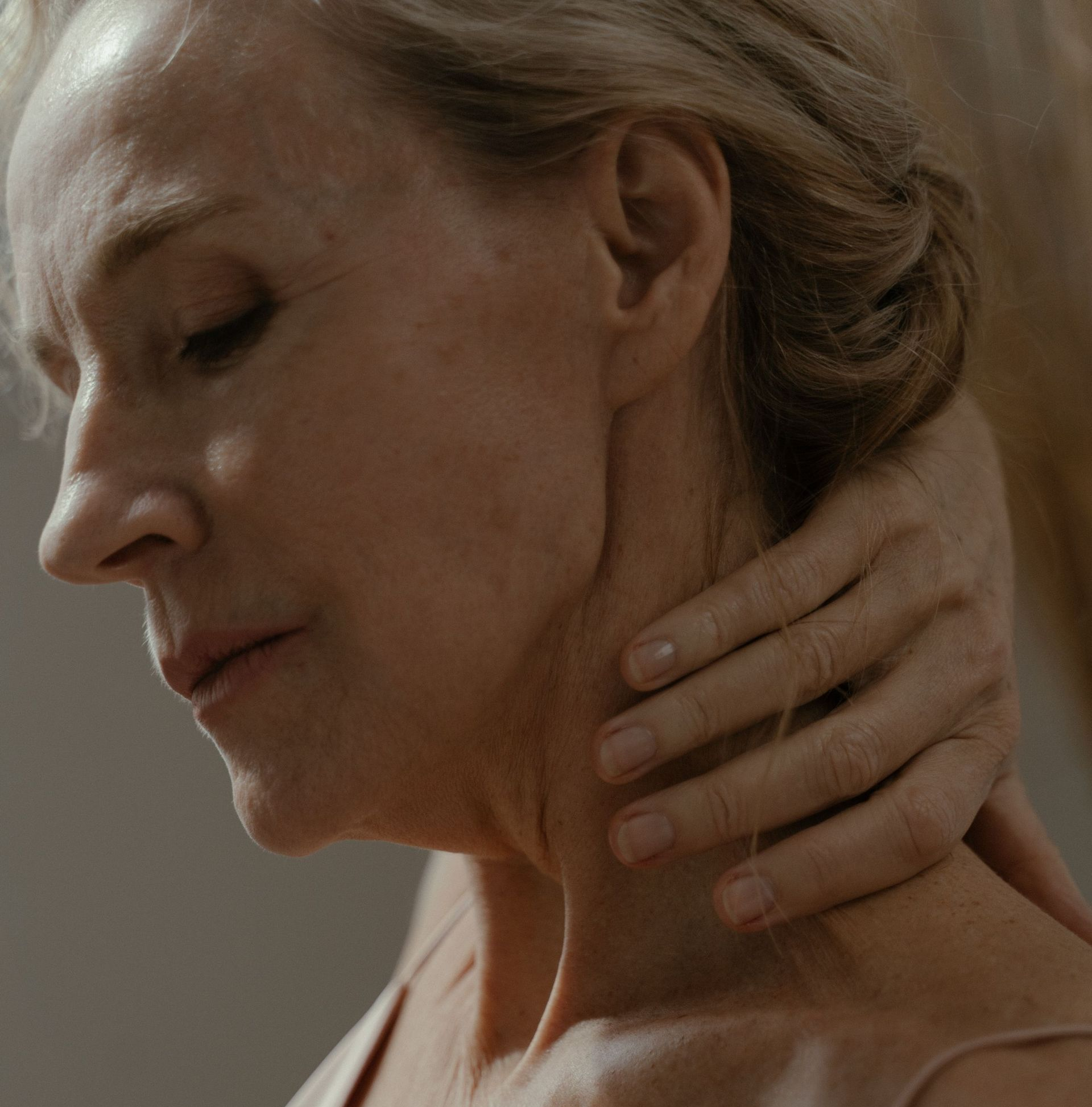
Tension headaches are the most frequently experienced type, and they are closely linked to musculoskeletal tightness. The pain is often described as a dull, pressing sensation, like a tight band around the head.
This is typically caused by sustained contraction in the muscles of the neck and upper back, which refers pain upward into the head and across the temples.
Osteopathic treatment targets these specific muscle groups directly. Through soft tissue work and joint mobilisation, an osteopath can reduce the physical load that is driving each episode.
Patients often notice that both the intensity and frequency of tension headaches reduce with consistent treatment.
For many people in Poole and the surrounding Dorset area, osteopathy offers genuine headache relief without medication.
Cervicogenic Headaches
Cervicogenic headaches originate directly from the cervical spine, the vertebrae and surrounding structures in the neck.
The pain is referred upward into the head, often felt on one side, and commonly accompanied by neck stiffness or restricted movement. This type of headache is frequently misdiagnosed as migraine because the symptoms can feel similar.
An osteopath trained in cervicogenic headache treatment will assess joint restriction, nerve irritation, and muscle imbalance throughout the upper cervical region.
Hands-on techniques applied directly to these structures can release restricted joints, reduce nerve sensitivity, and restore normal movement.
For people seeking a cervicogenic headache osteopath in Dorset, this is one of the areas where osteopathic care shows particularly strong results.
Headaches Linked to Stress and Fatigue
Chronic stress and prolonged fatigue create a pattern of physical tension that can be difficult to break without direct intervention.
The muscles of the jaw, neck, and shoulders often hold the physical imprint of psychological stress, contributing to persistent, low-grade headaches that do not respond well to rest alone.
Osteopathy addresses this by working on the physical tension patterns that stress creates in the body.
This includes releasing tight tissues, improving circulation, and helping to calm the nervous system through specific treatment techniques.
If you want to understand how osteopathy approaches the physical consequences of stress more broadly, it is worth reading about osteopathy and stress relief.

How Does Osteopathic Treatment Work for Headaches?
Osteopathic treatment for headaches begins with a thorough assessment.
Your osteopath will look at your posture, spinal alignment, the mobility of your neck and upper back, and the tension patterns present in your soft tissues.
This assessment helps identify which physical factors are contributing most directly to your headache pattern.
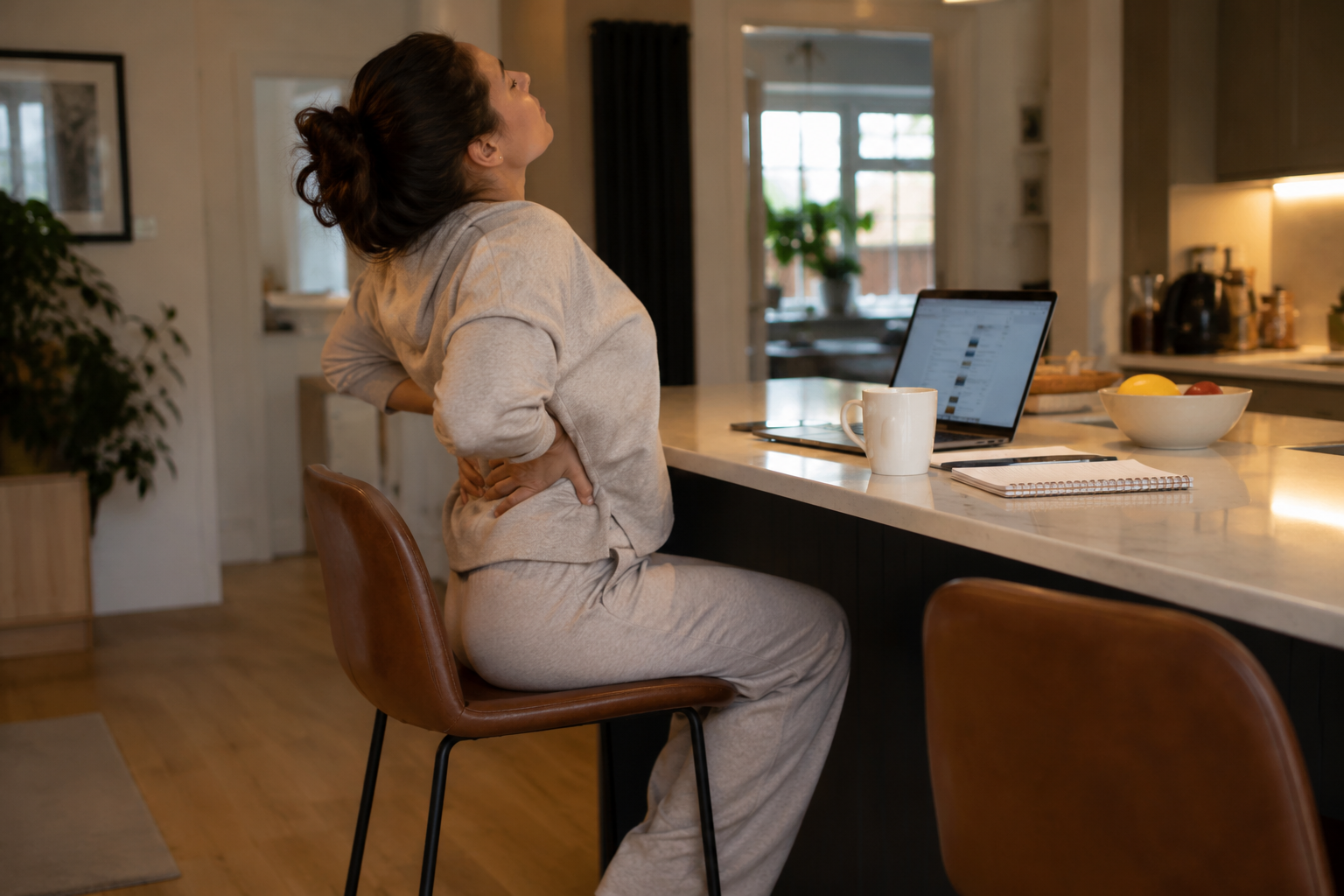
From there, treatment may involve a combination of approaches. Soft tissue massage addresses tight, restricted muscles in the neck and upper back.
Joint mobilisation works to restore normal movement in areas of the spine that have become stiff or restricted. In some cases, cranial osteopathy may also be used, particularly where there is sensitivity around the head and base of the skull.
Each technique serves a specific purpose depending on what your assessment reveals.
Treatment is always personalised.
Two people with tension headaches may present very differently, with distinct postural habits, trigger patterns, and physical histories.
Your osteopath, Andy Caughey, here at Parkstone Osteopaths will take all of this into account when designing your care plan.
The goal is not just to reduce pain in the short term, but to change the conditions in your body that keep producing headaches.
To find out what the process looks like from start to finish, you can explore what happens during an osteopathic consultation.
The Role of Posture and Daily Habits in Headache Frequency
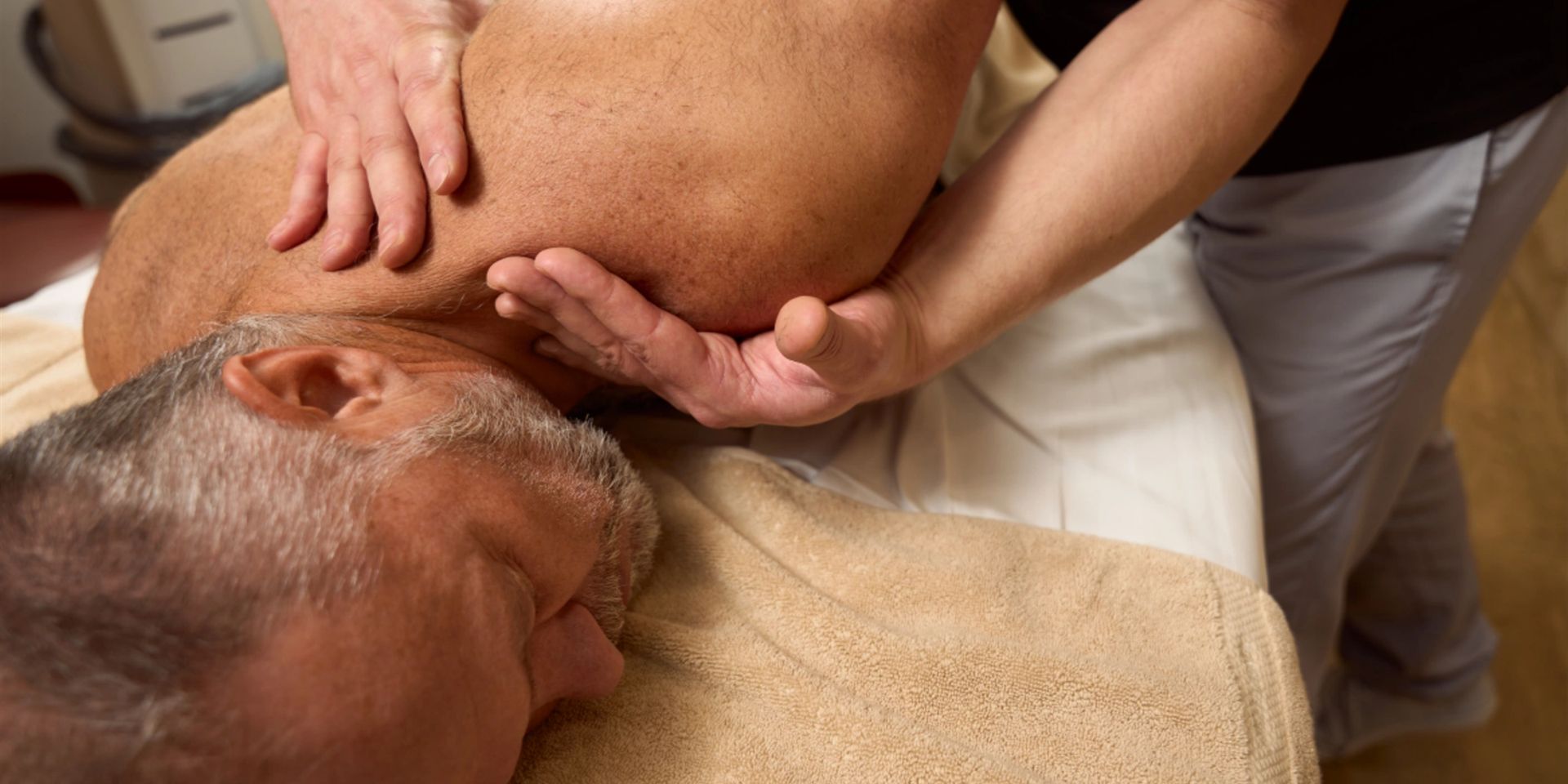
Posture and daily habits have a direct impact on how often headaches occur. Poor screen posture, where the head juts forward and the shoulders round inward, places significant strain on the muscles and joints of the upper cervical spine.
Spending hours in this position every day creates a cumulative load that eventually produces symptoms, and headaches are among the most common outcomes.
Prolonged sitting, particularly without adequate movement breaks, reduces circulation and allows muscle tension to build gradually across the back, neck, and shoulders.
Shallow breathing, which many people fall into during periods of concentration or stress, further tightens the thoracic region and limits the body's ability to naturally release tension.
These are all modifiable habits, but most people are not aware of how directly they influence headache frequency until they are pointed out.
Your osteopath will offer practical guidance on adjusting your workspace, your sitting and standing habits, and your movement patterns throughout the day.
Small, consistent changes in how you use your body can make a substantial difference to how often headaches occur. For more specific guidance on this topic, take a look at the advice on neck and shoulder pain at work.
What to Expect When Seeing an Osteopath for Headaches at Parkstone Osteopaths
When you visit the Parkstone Osteopaths clinic for headache treatment, you will receive a whole-body assessment from the outset.
Andy Caughey does not simply treat the area where you feel pain.
He’ll take time to understand your full history, including when headaches started, what makes them better or worse, your posture and daily routine, and any relevant medical background.
Your first session will involve a detailed case history followed by a physical assessment.
You will be asked questions about the character of your headaches, where you feel them, how long they last, and how they affect your daily life.
This information shapes the treatment plan you receive. Nothing is rushed, and the approach is always patient-centred.

Most patients report noticing a difference within a few sessions, though individual results depend on the nature and history of the headaches being treated.
Some people experience significant relief quickly, while others with longer-standing patterns require a more gradual approach.
Andy will be transparent with you throughout about what to expect and how your progress is tracking.
Parkstone Osteopaths accepts insurance claims and offers personalised treatment plans, making it straightforward for people across Poole, Parkstone, and the wider Dorset area to access consistent, professional headache care.
How Many Sessions Might You Need?
The number of osteopathic sessions needed for headache relief varies depending on the type, frequency, and history of your headaches. There is no single answer, but a general picture emerges once your osteopath has completed an initial assessment.
Acute tension headaches that have a clear recent trigger, such as a period of intense desk work or a spike in stress, often respond relatively quickly.
In these cases, two to four sessions may be enough to address the physical tension driving the problem and provide the patient with strategies to prevent recurrence.
Long-standing headache patterns that have been present for months or years usually require a more sustained programme of care. The tissues and movement patterns involved have had more time to become established, and change takes longer.
Your osteopath will always discuss their recommendations openly and update your plan as your condition progresses. There is more detailed guidance available on how many osteopathic sessions you need to help set realistic expectations before you begin.
Supporting Yourself Between Osteopathy Appointments
What you do between sessions has a real impact on how well treatment works. Osteopathy creates change in the body, but daily habits either support or undermine that progress.
Simple, consistent self-care strategies make a genuine difference.
Regular movement breaks throughout the day help prevent the muscle tension from rebuilding. Standing up, stretching the neck gently, and rolling the shoulders every 45 to 60 minutes during desk work is one of the most effective habits you can develop.
Staying well hydrated is also important as dehydration is a known headache trigger that is easy to overlook.
Gentle neck stretches performed in the morning or evening can help maintain the mobility gained during treatment.
Your osteopath may also give specific advice about sleep position, as certain positions place strain on the neck overnight and contribute to morning headaches.
Stress management techniques, including breathing exercises or simple mindfulness practices, may also be recommended to address the physical effects of tension.
There is further practical guidance available on supporting your body between sessions if you want to build a more complete self-care routine around your treatment.
Frequently Asked Questions
Frequently Asked Questions Can osteopathy cure my headaches permanently?
Osteopathy is not a cure in the traditional sense, but it can significantly reduce the frequency and intensity of headaches by addressing the physical triggers behind them. Many patients find that after a course of treatment, combined with improved posture and self-care habits, their headaches become far less frequent or stop altogether. Whether results are long-lasting depends on how well the contributing habits are managed over time.
How is osteopathic treatment for headaches different from taking painkillers?
Painkillers reduce the sensation of pain temporarily but do not change anything in the body that is causing the headache. Osteopathic treatment works directly on the muscles, joints, and posture that generate headaches in the first place. It aims to reduce the physical load on the structures involved so that headaches occur less often, rather than simply dulling the discomfort when they arrive.
How quickly will I notice a difference after osteopathic treatment for headaches?
Many patients notice some improvement after their first or second session, though this varies. Acute tension headaches tend to respond faster than long-term chronic patterns. Your osteopath will give you a realistic timeframe based on your assessment and will track your progress throughout the course of treatment.
Are there any headache types that osteopathy cannot help with?
Osteopathy is best suited to headaches with a musculoskeletal or postural component, such as tension and cervicogenic headaches. It is less directly applicable to headaches caused by conditions such as high blood pressure, neurological disease, or acute infection. Your osteopath will always assess your case carefully and refer you to another healthcare professional if your headaches appear to have a cause that falls outside the scope of osteopathic care.
Do I need a GP referral to see an osteopath for headaches in Poole?
No. You can book directly with Parkstone Osteopaths without a GP referral. Osteopaths are primary healthcare practitioners, which means they are trained to assess and treat patients independently. If you have concerns about the nature of your headaches, it is always reasonable to speak to your GP as well, but a referral is not required to access osteopathic care.
Can stress really cause physical headaches, and how does osteopathy address that?
Yes. Stress triggers a physical response in the body that includes muscle tightening, changes in breathing pattern, and heightened nervous system activity. These responses accumulate in the neck, shoulders, and jaw, creating real physical tension that generates headaches. Osteopathy addresses these patterns through hands-on treatment of the affected tissues and may also offer guidance on breathing and stress management to help break the cycle at a physical level.
If you are living with recurring headaches in Poole, Parkstone, or the wider Dorset area and are looking for a drug-free, hands-on approach, osteopathy for headaches is worth taking seriously.
Contact Parkstone Osteopaths to book your initial assessment and find out what is driving your headaches and what can be done about it.