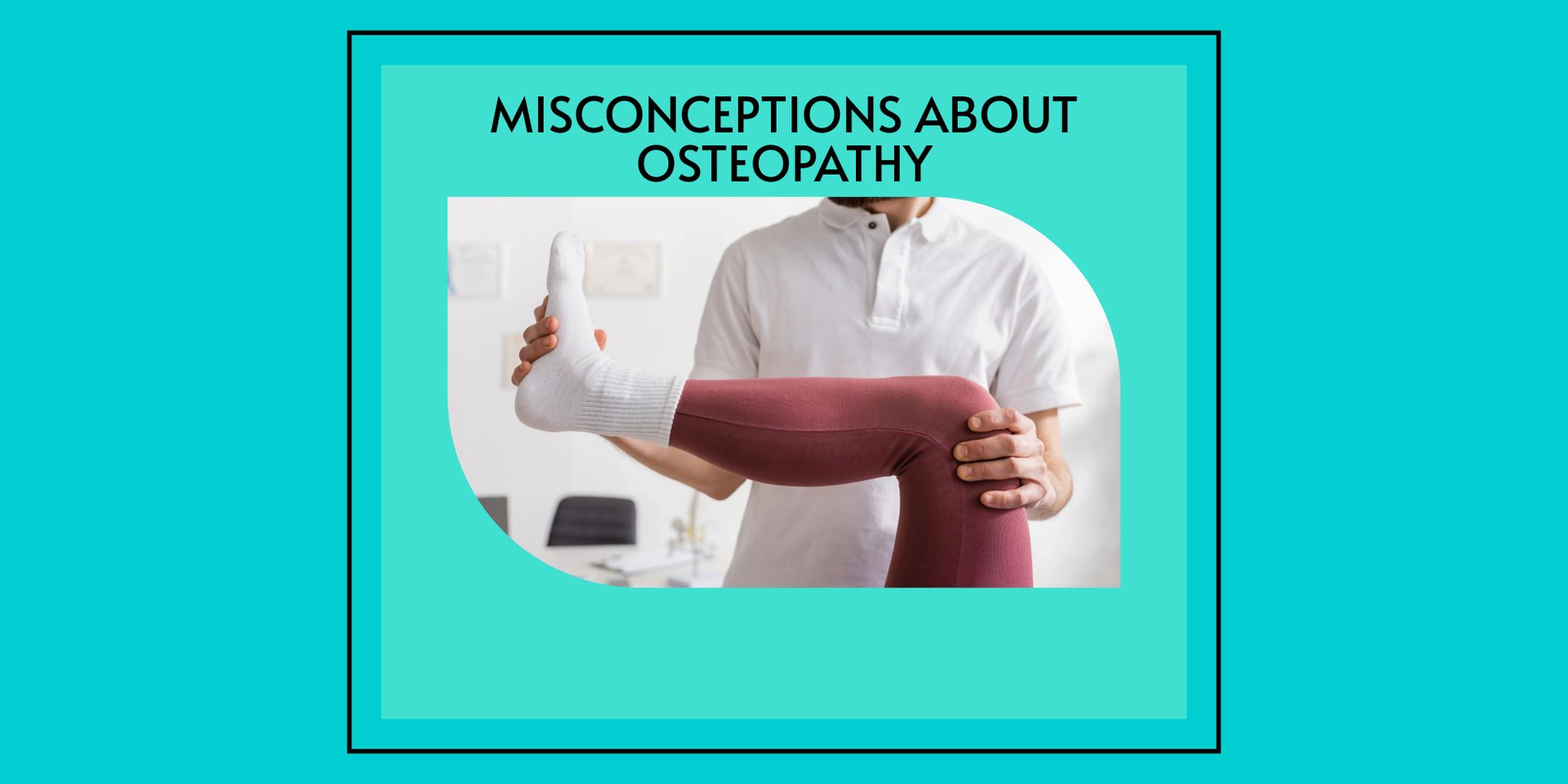
Osteopathy for Wrist and Elbow Pain: Finding Relief
Leaving pain to persist for months can allow compensatory movement patterns to develop
Wrist and elbow pain can creep up on you gradually, starting as a mild ache after a long day at a desk or a sports session, and slowly turning into something that affects how you work, sleep, and go about daily life.
Osteopathy for wrist and elbow pain offers a hands-on, whole-body approach to understanding why that pain is there and what needs to happen for it to improve.
At Parkstone Osteopaths in Poole, Andy Caughey works with patients across a wide range of upper limb conditions, from repetitive strain to tennis elbow, helping them recover naturally and stay better for longer.
Why Wrist and Elbow Pain Is More Common Than You Think
Most people do not realise how much demand is placed on the wrist and elbow joints throughout an ordinary day.
Whether you are typing at a keyboard, gripping a steering wheel, cooking, or playing sport, these joints are almost constantly in use.
Over time, that consistent demand adds up, and the tissues surrounding them, including tendons, muscles, and ligaments, begin to show signs of wear.
Conditions like tennis elbow, golfer's elbow, repetitive strain injury, and carpal tunnel syndrome are no longer confined to manual workers or professional athletes.
They are increasingly common across all age groups and occupations, including office workers, parents, and recreational gym-goers.
According to the Health and Safety Executive, musculoskeletal disorders affecting the upper limbs remain one of the most reported work-related health conditions in the UK, accounting for a significant proportion of working days lost each year.
The good news is that most wrist and elbow conditions respond well to treatment when addressed early.

Understanding what is driving the pain is the first step, and that is where a thorough osteopathic assessment makes a real difference.
What Causes Wrist and Elbow Pain?
Wrist and elbow pain rarely comes from a single event.
More often, it builds gradually due to a combination of physical habits, posture, workload, and lifestyle. Understanding the root cause helps guide the most effective treatment.
Overuse and Repetitive Strain
When you repeat the same movement over and over, day after day, the tendons and muscles in your forearm, wrist, and elbow are placed under constant low-level stress.
Over time, this stress accumulates faster than the tissues can recover, leading to inflammation, micro-tears, and persistent pain.
This pattern is particularly common in people whose jobs involve prolonged keyboard use, assembly work, or any task that requires repeated gripping or wrist rotation.
Recreational hobbies like knitting, DIY, and playing musical instruments can have the same effect.
For a closer look at how this develops and what can be done about it, see our guide on understanding RSI and how osteopathy can help.
Sports and Physical Activity
Sport is one of the most common triggers for both acute and chronic wrist and elbow injuries.
Racket sports like tennis and squash place significant strain on the lateral elbow, which is why lateral epicondylitis is so closely associated with these activities.
Weightlifting, particularly exercises involving pressing or curling movements, can overload the medial elbow and wrist extensors.
Cycling, throwing sports, and even golf all involve repetitive loading of the upper arm and forearm chain.
Many sports injuries develop not because of one bad session, but because of a gradual build-up of training load without adequate recovery.
Poor technique or poorly fitted equipment also plays a role.
For a broader picture of how physical activity affects the body, our post on common running and sports injuries covers many of the patterns we see regularly in practice.
Desk Work and Poor Ergonomics
A poorly set-up workstation can quietly cause harm over months and years. When the keyboard is positioned too far forward, the wrists are forced into extension for extended periods.
A mouse that sits too far to the side can overwork the lateral elbow and forearm.
Sitting with rounded shoulders affects how the neck and upper back function, which can in turn alter nerve and blood flow to the arm.
Many patients at Parkstone Osteopaths in Poole come in with wrist tension or elbow discomfort that has slowly worsened since they started working from home, often without a proper desk setup.
Small adjustments to how you sit and where your equipment is placed can significantly reduce the strain placed on your upper limbs.
Our article on reducing back and shoulder pain while working from home covers practical steps you can take today.
Everyday Tasks and Lifestyle Factors
It is not only sport and office work that strain the wrist and elbow.
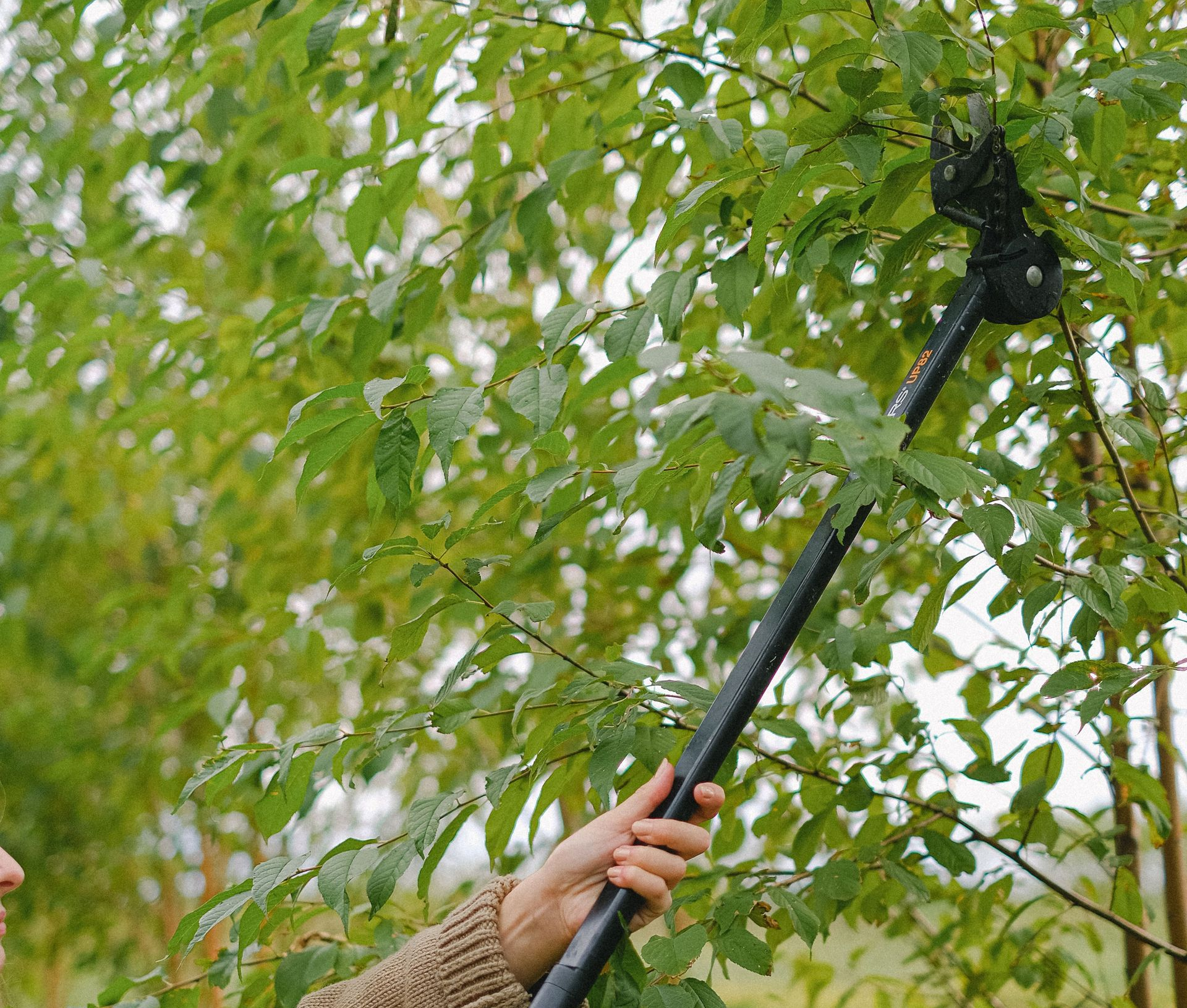
Gardening, carrying shopping bags, lifting children, and even prolonged scrolling on a phone all place repetitive demand on these joints.
Gardening in particular, with its combination of gripping, twisting, and heavy lifting, is a surprisingly common contributor to both elbow and wrist pain, especially at the start of spring when people return to it after months away.
The cumulative effect of these everyday activities is easy to underestimate.
Each individual task may seem harmless, but when they stack up throughout the day without any recovery time or variation in movement, the tissues can become overloaded.
How Does Osteopathy Help Wrist and Elbow Pain?
Osteopathy takes a whole-body view of pain. Rather than treating just the area where it hurts, an osteopath looks at how the rest of the body, including the neck, shoulder, upper back, and even the lower limb, may be contributing to the problem.
This approach is particularly valuable for wrist and elbow pain because these conditions are so often driven by patterns elsewhere in the body.
Andy Caughey at Parkstone Osteopaths combines a thorough physical assessment with hands-on treatment techniques designed to reduce inflammation, restore joint mobility, and ease the muscular tension that surrounds the affected area.
The goal is not just short-term relief but understanding and addressing the underlying cause to reduce the risk of the pain returning.
Soft Tissue Massage & Mobilisation
The forearm muscles play a central role in nearly all wrist and elbow conditions.
When these muscles are overworked or in a prolonged state of tension, they pull on the tendons at the elbow and place added pressure on the wrist joint.
Osteopathic soft tissue techniques work directly on these muscles and the surrounding structures to ease tightness, improve circulation, and help the tissue recover more effectively.
Soft tissue work can also target the broader shoulder and neck region, particularly when tension in these areas is contributing to restricted arm movement or referred discomfort down the limb.
Joint Mobilisation & Manipulation
Gentle mobilisation of the wrist and elbow joints helps to restore their natural range of motion.
When a joint has been held in a restricted or guarded position for an extended period, the surrounding capsule and ligaments can stiffen, limiting movement and maintaining the pain cycle.
Osteopathic joint mobilisation uses carefully controlled, low-force movements to encourage the joint back towards its normal mechanics.
This approach is well tolerated by most patients and can produce a noticeable improvement in movement and comfort, often within the first few sessions.
Addressing Referred Pain and Nerve Involvement
Not all wrist and elbow pain originates in the wrist and elbow. Sometimes, the source is higher up in the body.
The nerves that supply the forearm and hand emerge from the cervical spine in the neck, travel through the shoulder, and pass through several narrow structures on their way down the arm.
If any of these structures are compressed or restricted, the result can be pain, tingling, or weakness that is felt in the wrist or elbow but originates elsewhere.
For more information on how this works, see our article on what is nerve pain. Osteopathic assessment includes evaluation of this full kinetic chain, ensuring that treatment targets the true source rather than just the site of symptoms.
Personalised Exercise and Rehabilitation Advice
Hands-on treatment creates the conditions for recovery, but what you do between sessions matters just as much.
Andy Caughey provides each patient with specific guidance on stretching, strengthening, and movement habits tailored to their condition and lifestyle.
This might include forearm eccentric exercises for tendon recovery, wrist mobility drills, or postural cues for desk workers.
This personalised approach ensures that progress made during treatment is reinforced at home.
For further guidance on how to support your recovery outside the clinic, take a look at our resource on how to support your body between osteopathy sessions.
Can Osteopathy Help with Tennis Elbow?
Yes, osteopathy is a well-suited treatment approach for tennis elbow, and it is one of the most common elbow conditions seen at Parkstone Osteopaths in Poole.
Tennis elbow, known clinically as lateral epicondylitis, involves irritation and degeneration of the tendons that attach to the bony prominence on the outer side of the elbow.
Despite the name, it affects far more people who have never played tennis than those who have.
It is particularly common in people who carry out repetitive gripping or wrist extension movements at work or during sport.
Osteopathic treatment for tennis elbow focuses on reducing tension in the forearm extensor muscles, improving joint mechanics at the elbow, and addressing any contributing factors higher up in the shoulder or neck.
Many patients find that a combination of soft tissue work, joint mobilisation, and targeted exercise rehabilitation produces lasting results.
For a detailed breakdown of this condition and how osteopathy can help, visit our article on how an osteopath can help with tennis elbow.
Can Osteopathy Help with Carpal Tunnel Syndrome?
Carpal tunnel syndrome occurs when the median nerve is compressed as it passes through the carpal tunnel, a narrow channel in the wrist formed by bones and connective tissue.
Common symptoms include tingling, numbness, and weakness in the thumb, index, and middle fingers, often worse at night or after prolonged hand use.
Osteopathy for carpal tunnel syndrome focuses on reducing compression within the wrist by improving the mobility of the carpal bones, easing tension in the surrounding soft tissues, and improving circulation through the area.
Because the median nerve also travels through the forearm, shoulder, and neck before reaching the wrist, osteopathic assessment looks at potential sites of restriction along its full path.
Addressing tension in the forearm flexors, improving shoulder mechanics, and evaluating cervical spine mobility can all contribute to better nerve function and a reduction in symptoms.
While osteopathy does not replace surgical consultation in severe or progressed cases, it can offer meaningful support for those managing mild to moderate carpal tunnel symptoms and is often used as part of a broader management plan
Is Kinesio Taping Useful for Wrist and Elbow Pain?
Kinesio taping can be a helpful complementary tool when used alongside osteopathic treatment for wrist and elbow conditions.
The tape is applied to the skin in specific directions to provide gentle support, reduce localised swelling, and offer proprioceptive feedback to the surrounding muscles and joints.
For conditions like tennis elbow, wrist instability, or general forearm strain, kinesio taping can help patients stay more comfortable between treatment sessions and continue with light activity during recovery.
It does not replace hands-on treatment but can extend its benefits, particularly for patients who are physically active or returning to work.
For a more complete overview of how this technique works, see our article on understanding kinesio taping and its everyday benefits.
What to Expect at Parkstone Osteopaths
If you are coming to Parkstone Osteopaths in Poole for wrist or elbow pain, your first appointment will begin with a thorough consultation.
Andy Caughey will take time to understand your history, how your symptoms developed, what makes them better or worse, and how they are affecting your daily life.
This conversation is followed by a physical assessment that looks at your posture, joint mobility, muscle function, and any contributing factors elsewhere in the body.
From this assessment, Andy will explain his findings clearly and outline a treatment plan that makes sense for your specific situation.
Treatment in the first session often begins straight away, giving you an early indication of how your body responds.
The approach is always hands-on and gentle, and Andy will check in with you throughout to make sure you are comfortable.
Many patients find the process reassuring, particularly if they have been managing pain on their own for a long time and are unsure what to expect from professional care.
To understand the full process before you attend, take a look at our guide to what happens during an osteopathic consultation.
When Should You See an Osteopath for Wrist or Elbow Pain?
Many people wait too long before seeking help for wrist or elbow pain, often assuming it will settle on its own. While minor soreness after an unusual burst of activity often does resolve with rest, there are clear signs that professional care is the right next step.
You should consider booking an appointment if your pain has lasted more than two to three weeks without improvement, if it is affecting your ability to work, exercise, or carry out daily tasks, or if you are noticing weakness, tingling, or numbness in the hand or fingers alongside the pain.
Pain that returns repeatedly after brief periods of relief is also a strong indication that the underlying cause has not been fully addressed.
Seeking help early tends to lead to faster recovery. When a condition is caught in its earlier stages, the tissues involved are typically less degenerated and more responsive to treatment.
Leaving pain to persist for months can allow compensatory movement patterns to develop, which then need to be addressed as part of a more complex treatment plan.
If any of the above sounds familiar, getting a proper assessment at Parkstone Osteopaths is a sensible first step toward lasting relief from wrist and elbow pain.
Frequently Asked Questions
Can osteopathy treat tennis elbow effectively?
Yes. Osteopathy is well suited to treating tennis elbow. By working on the forearm muscles, improving elbow joint mechanics, and identifying any contributing factors in the shoulder or neck, osteopathic treatment can significantly reduce pain and help restore normal function. Many patients see meaningful improvement within a handful of sessions, particularly when combined with the right home exercises.
How many osteopathy sessions will I need for wrist or elbow pain?
This varies depending on how long the condition has been present, how severe it is, and how your body responds to treatment. Many patients notice improvement after two to four sessions. Longer-standing or more complex conditions may require a longer course of care. Andy Caughey will give you a realistic expectation of what to plan for after your initial assessment.
Is osteopathic treatment for wrist and elbow pain painful?
Osteopathic treatment is generally well tolerated. Some techniques may produce mild discomfort if the area is particularly tender, but the approach is always adapted to your comfort level. It is normal to feel some soreness for a day or two after treatment, particularly in the early stages, as the tissues begin to respond. Andy will always check in with you and adjust his approach based on your feedback.
Can poor posture at a desk cause wrist and elbow pain?
Yes, absolutely. A poorly set-up workstation places sustained strain on the wrists and elbows. When the keyboard is too high or too far away, the wrists are held in awkward positions for hours at a time. Combined with rounded shoulders and a forward head posture, this can affect how the nerves and muscles of the entire arm function, contributing to pain at the wrist and elbow even without any single traumatic event.
What is the difference between tennis elbow and golfer's elbow?
Tennis elbow affects the outer side of the elbow and involves the tendons of the wrist extensor muscles. Golfer's elbow affects the inner side and involves the wrist flexor tendons. Both are overuse conditions that can occur in people who have never played their respective sports. The pain location is the key difference: outer elbow for tennis elbow, inner elbow for golfer's elbow.
Can osteopathy help if my wrist or elbow pain keeps coming back?
Yes, and this is actually one of the most important reasons to seek osteopathic care. Recurring pain is usually a sign that the underlying cause has not been properly addressed. Osteopathy looks beyond the site of pain to identify what is driving it, whether that is a movement habit, a structural imbalance, or a contributing factor elsewhere in the body. Addressing these factors properly reduces the likelihood of the problem returning.
Does Parkstone Osteopaths accept insurance for wrist and elbow treatments?
Yes. Parkstone Osteopaths accepts insurance claims. It is worth contacting your insurer before your appointment to confirm your level of cover, and the team at the practice can advise you further when you get in touch.
This is paragraph text. Click it or hit the Manage Text button to change the font, color, size, format, and more. To set up site-wide paragraph and title styles, go to Site Theme.