Osteopathy for Sciatica: Can It Relieve Nerve Pain?
Osteopathy works on the muscles, joints, and structures around the sciatic nerve
Yes, osteopathy can genuinely help with sciatica. By working on the muscles, joints, and structures around the sciatic nerve, an osteopath can reduce compression, ease pain, and restore normal movement.
For many people in Poole and across the UK, osteopathic treatment offers a practical, hands-on route to sciatica relief without relying on medication or waiting for symptoms to resolve on their own.
Sciatica can be one of the most disruptive types of pain to live with.
The sharp, shooting sensations down your leg, the numbness, the difficulty sitting or standing for any length of time - it affects everything from your sleep to your work. If you have been searching for a natural sciatica treatment that gets to the root of the problem rather than masking it, osteopathy is worth understanding properly.
This guide covers how it works, what to expect, and how Parkstone Osteopaths can support your recovery.
What Is Sciatica and Why Does It Happen?
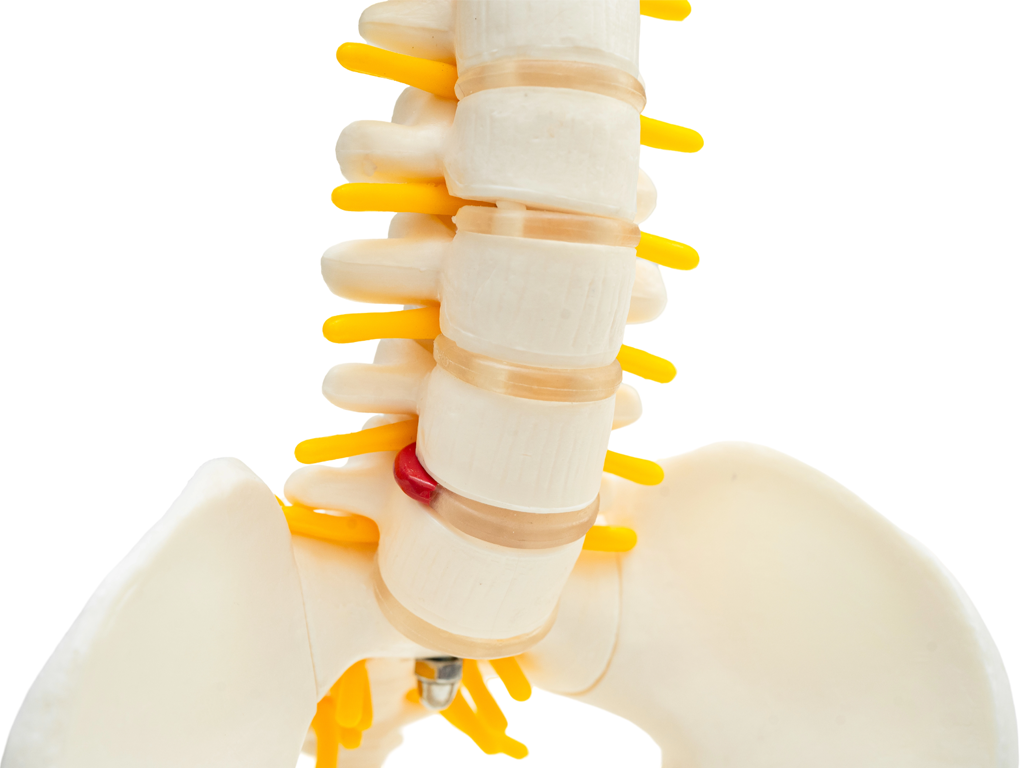
Sciatica is not a condition in itself - it is a symptom. It describes pain that travels along the path of the sciatic nerve, which is the longest nerve in the body. This nerve runs from your lower back, through the buttocks, and down each leg. When something compresses or irritates it, you feel the effects along that entire route.
The most common causes include a herniated disc pressing on the nerve root, tightness in the piriformis muscle (which sits deep in the buttock), spinal misalignment, and prolonged sitting that puts ongoing pressure on the lower back and pelvis.
Poor posture, weak core muscles, and repetitive strain can all set the stage for sciatic nerve irritation over time. Understanding what sciatica is and how it is typically treated gives useful context before exploring your options.
It is also worth knowing that sciatica does not always mean there is serious structural damage. In many cases, the nerve is simply being irritated by soft tissue tension or joint restriction - both of which respond well to osteopathic care.
That said, identifying the specific cause matters, because treatment should always be guided by what is actually driving the problem rather than treating every case the same way.
How Do I Know If My Pain Is Sciatica?
Sciatica has some recognisable features that set it apart from general back or leg pain. The key signs to look out for include:
- A sharp, burning, or shooting pain that starts in the lower back or buttock and travels down one leg (sometimes as far as the foot)
- Numbness or a pins-and-needles sensation along the back of the leg or into the foot
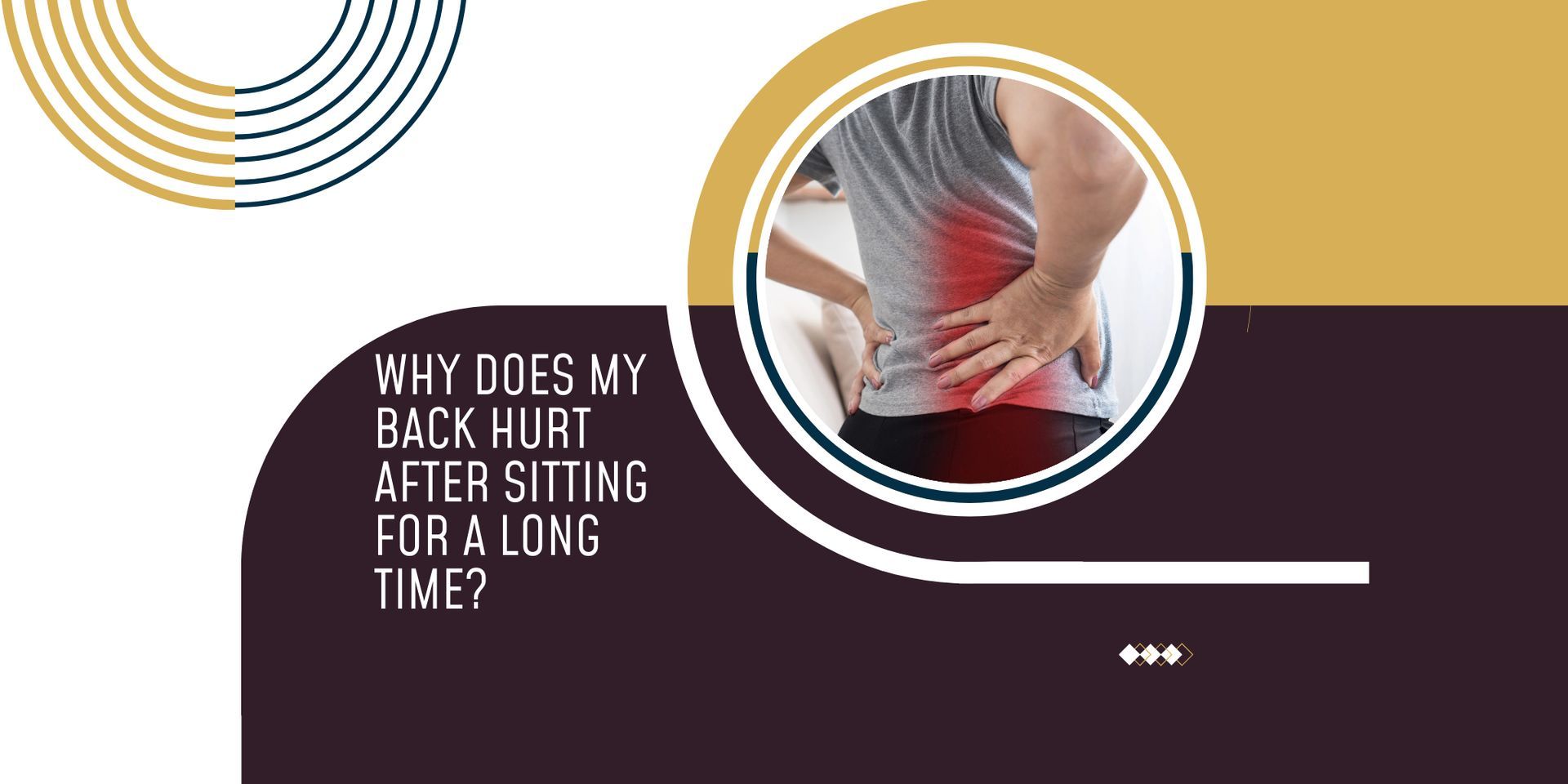
- Pain that worsens when sitting for long periods, coughing, or sneezing
- Symptoms that are typically felt on one side of the body only
Most cases of sciatica improve with appropriate treatment and do not require urgent medical intervention. However, you should seek medical attention promptly if you experience loss of bladder or bowel control, numbness in the groin or inner thighs, or severe progressive weakness in both legs. These can indicate a rare but serious condition called cauda equina syndrome, which requires emergency care. For typical sciatica - sharp leg pain, tingling, or stiffness without these red flags - osteopathy is a safe and appropriate place to start.
How Does Osteopathy Address Sciatic Nerve Pain?
Osteopathy works by treating the whole musculoskeletal system, not just the spot where pain is felt. Rather than focusing only on your lower back, an osteopath looks at how your spine, pelvis, hips, and surrounding tissues are all working together - and where that system has broken down.
When the body is out of balance, certain muscles overwork while others weaken. Joints become restricted. Soft tissues tighten around vulnerable structures like the sciatic nerve.
Osteopathic treatment aims to address these imbalances directly, reducing the load on the nerve and giving your body the conditions it needs to recover. This is what makes it a genuinely different approach to sciatic nerve pain relief compared to simply taking pain relief medication.
The hands-on techniques an osteopath uses for sciatica typically include soft tissue massage to ease muscle tension around the nerve, spinal mobilisation and gentle manipulation to restore joint movement, and targeted stretching to release tight structures like the piriformis.
Each technique is chosen based on your specific presentation, not a fixed template. You can read more about what an osteopath does during a session to get a clearer sense of the full process.
Osteopaths are regulated by the General Osteopathic Council (GOsC), which means every registered osteopath in the UK has met defined standards of training, competence, and professional practice. This regulation is an important safety assurance for anyone considering osteopathic treatment for the first time.
What Happens During Your First Osteopathic Consultation for Sciatica?
Your first appointment is about understanding your body and your history, not rushing into treatment.
The osteopath will start by taking a thorough case history - asking about your symptoms, when they started, what makes them better or worse, your general health, and any previous injuries or treatment you have had.
This is followed by a physical assessment. Your osteopath will look at your posture, observe how you move, and test the range of motion in your spine, hips, and legs.
They may also carry out specific orthopaedic tests to help identify where the nerve compression or irritation is coming from. All of this information feeds into a personalised treatment plan designed around your specific situation.
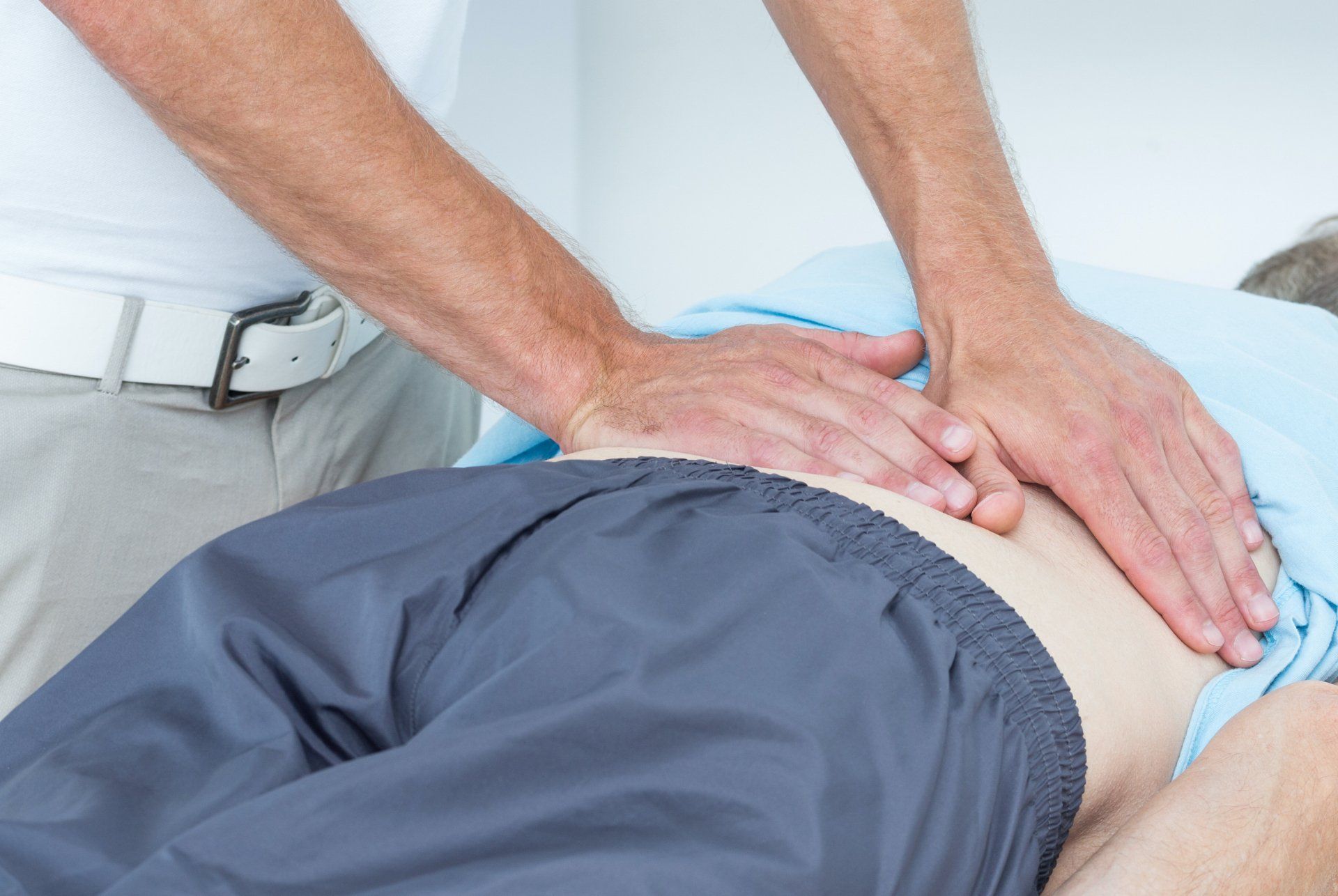
Treatment often begins during that first session once the assessment is complete. You will also leave with clear guidance on what to expect, what to avoid, and how to support your recovery at home. For a full breakdown of the process, take a look at what happens during an osteopathic consultation.
What Conditions Related to Sciatica Can Osteopathy Help With?
Sciatica rarely exists in isolation. In most cases, it is connected to one or more underlying structural or functional issues that need to be addressed alongside the nerve pain itself. Osteopathy is well placed to help with several of the most common ones.
A herniated disc and its link to sciatica is one of the most frequent causes of sciatic symptoms. When disc material bulges out and presses on a nearby nerve root, it creates the classic radiating pain down the leg. Osteopathic treatment can help by reducing the mechanical stress on the affected area and improving movement through the surrounding joints, which takes pressure off the disc and nerve over time.
Sacroiliac joint dysfunction is another condition that commonly mimics or contributes to sciatic pain. The sacroiliac joints connect your pelvis to your spine, and when they are not moving correctly, they can irritate nearby nerve structures and refer pain into the buttock and leg in a way that feels very similar to true sciatica. Osteopaths are skilled at identifying and treating SI joint problems as part of a broader sciatica assessment.
Piriformis syndrome - where the piriformis muscle in the buttock compresses the sciatic nerve directly - responds particularly well to soft tissue work and targeted stretching. It is more common than many people realise and is often missed when only the spine is examined. Additionally, foot mechanics can play a surprising role. Learning about how flat feet can contribute to back and nerve pain shows just how far up the chain poor foot alignment can affect spinal loading and nerve irritation.
How Many Osteopathy Sessions Will I Need for Sciatica?
The honest answer is that it depends on the individual. Most people with straightforward sciatica notice a meaningful improvement within three to four sessions, though some cases resolve faster and others take longer. The severity of your symptoms, how long you have had them, and the underlying cause all play a role in shaping the timeline.
Several factors influence how quickly you recover.
These include your age and general fitness, how active you are day to day, whether you are able to make small lifestyle adjustments (like reducing prolonged sitting), and how long the sciatica has been present before you start treatment.
Acute sciatica that has come on recently tends to respond more quickly than long-standing, chronic symptoms where the body has adapted around the restriction over months or years.
Recovery is rarely a straight line. You may feel noticeably better after one or two sessions, then experience a temporary flare as your body adjusts.
This is normal and does not mean treatment is not working. Your osteopath will track your progress and adjust the plan accordingly, so you always know where you stand. For a broader guide to what to expect, read about how many osteopathic sessions you might need.
Will Osteopathic Treatment for Sciatica Be Painful?
Treatment for sciatica should not be painful in the way your sciatica itself is. You may feel some discomfort during certain techniques - particularly if an area is tight or reactive - but your osteopath will always work within a comfortable range and adjust based on your feedback.
It is quite common to feel some mild soreness or achiness in the 24 to 48 hours after a session, especially early in the course of treatment.
This is a normal response to the soft tissue work and joint mobilisation, similar to how your muscles can feel tender after exercise. It usually passes quickly. If you are unsure about what to expect, it is worth reading more about whether osteopathic treatment is painful before your first appointment.
Supporting Your Recovery Between Sessions
What you do between appointments matters just as much as the treatment itself. Gentle movement is one of the most important things you can do when you have sciatica. Staying still for long periods allows muscles to tighten and joints to stiffen, which adds to the pressure on the sciatic nerve. Short, regular walks are often better than long rest periods.
Posture awareness is another key part of recovery. If you sit for long periods at work, make sure your chair supports your lower back, and aim to get up and move every 30 to 45 minutes.
When sleeping, a pillow between your knees can reduce the strain on your lower back and pelvis. Avoid positions that trigger your symptoms - for most people with sciatica, this means avoiding deep forward bending or sitting in low, soft chairs.
Your osteopath will give you specific exercises and stretches tailored to your case.
These are designed to reinforce the work done in the clinic and maintain the improvements between sessions. Following through with these at home significantly improves outcomes. You can also find general guidance on how to support your body between osteopathy sessions and tips for managing stiff and achy muscles at home on the Parkstone Osteopaths website.
Why Choose Parkstone Osteopaths for Sciatica Treatment in Poole?
Parkstone Osteopaths is one of the leading osteopathic practices in Poole, built around the expertise of founder Andy Caughey.
With years of clinical experience treating patients with back pain, nerve pain, and complex musculoskeletal conditions, Andy brings both professional skill and a genuine commitment to patient care to every appointment.
What sets the clinic apart is the personalised approach to treatment.
No two cases of sciatica are the same, and every plan is built around the individual - taking into account not just the physical symptoms but lifestyle, work demands, and recovery goals.
Patients frequently report that they feel genuinely heard and supported throughout their treatment, not rushed through a generic protocol.

The clinic accepts most major health insurance, making it straightforward to get treatment without unnecessary financial stress. Whether you are dealing with acute sciatic pain for the first time or struggling with a long-standing issue that has not responded to other treatments, the team is ready to help.
To learn more about the practitioner, visit Andy Caughey's background and experience, or find out more about the Parkstone clinic and what to expect when you visit.
Frequently Asked Questions
Can osteopathy cure sciatica permanently?
Osteopathy can resolve many cases of sciatica completely, particularly when the underlying cause is addressed rather than just the symptoms. Whether it provides a long-term solution depends on the cause. If sciatica is driven by posture, muscle imbalances, or joint restriction, osteopathic treatment combined with lifestyle changes can be very effective long-term. Where the cause is a structural issue like a severely degenerated disc, osteopathy may still provide significant relief and improved function, but ongoing maintenance care is sometimes needed.
How quickly can osteopathy relieve sciatic pain?
Some patients feel a noticeable difference after just one or two sessions. Others, particularly those with more chronic or severe sciatica, may take several sessions before the improvement becomes significant. The first session will often bring some immediate relief as muscle tension eases, but lasting change usually builds over a course of treatment rather than overnight.
Is it safe to have osteopathic treatment for sciatica during pregnancy?
Yes, osteopathy is generally considered safe during pregnancy when carried out by a registered, experienced osteopath. Pregnancy-related sciatica is common due to changes in posture, weight distribution, and hormone-driven ligament relaxation. Techniques are adapted to be appropriate for each stage of pregnancy, and many pregnant patients find significant relief from osteopathic care.
Can sciatica come back after osteopathic treatment?
It can, particularly if the factors that caused it in the first place - such as prolonged sitting, weak core muscles, or poor posture - are not addressed. This is why osteopaths focus on education and self-care alongside hands-on treatment. Following through with the recommended exercises and making small habit changes significantly reduces the chance of recurrence.
What is the difference between osteopathy and chiropractic care for sciatica?
Both professions use hands-on techniques to treat musculoskeletal conditions, including sciatica. Chiropractors tend to focus more specifically on spinal adjustment, while osteopaths take a broader whole-body approach, working with muscles, joints, and soft tissues throughout the body. Both can be effective, and the choice often comes down to personal preference and the specific nature of your condition.
Should I rest or keep moving when I have sciatica?
Gentle movement is generally better than complete rest for sciatica. Staying still for too long allows muscles to tighten and can prolong recovery. Short, regular walks and gentle stretching are usually encouraged. That said, you should avoid any movements that sharply increase your pain, and your osteopath will guide you on what is appropriate for your specific case.
Does osteopathy work for sciatica caused by a herniated disc?
Yes, osteopathic treatment can be effective even when sciatica is caused by a herniated disc. The aim is to reduce the mechanical load on the disc and surrounding nerve, improve joint mobility in the area, and ease the muscle tension that often builds up as a protective response. While osteopathy cannot physically move a herniated disc back into place, it can create better conditions for the disc to settle and the nerve to calm down.